Small office relocation
Suitable for a limited number of workstations, files, chairs, tables, storage units and selected inventoried equipment.
Plan the physical movement of office furniture, files, workstations and selected inventoried corporate IT assets with a written scope covering asset lists, labels, packing, building permissions, move windows, loading access, destination zones and clear technical responsibility boundaries.
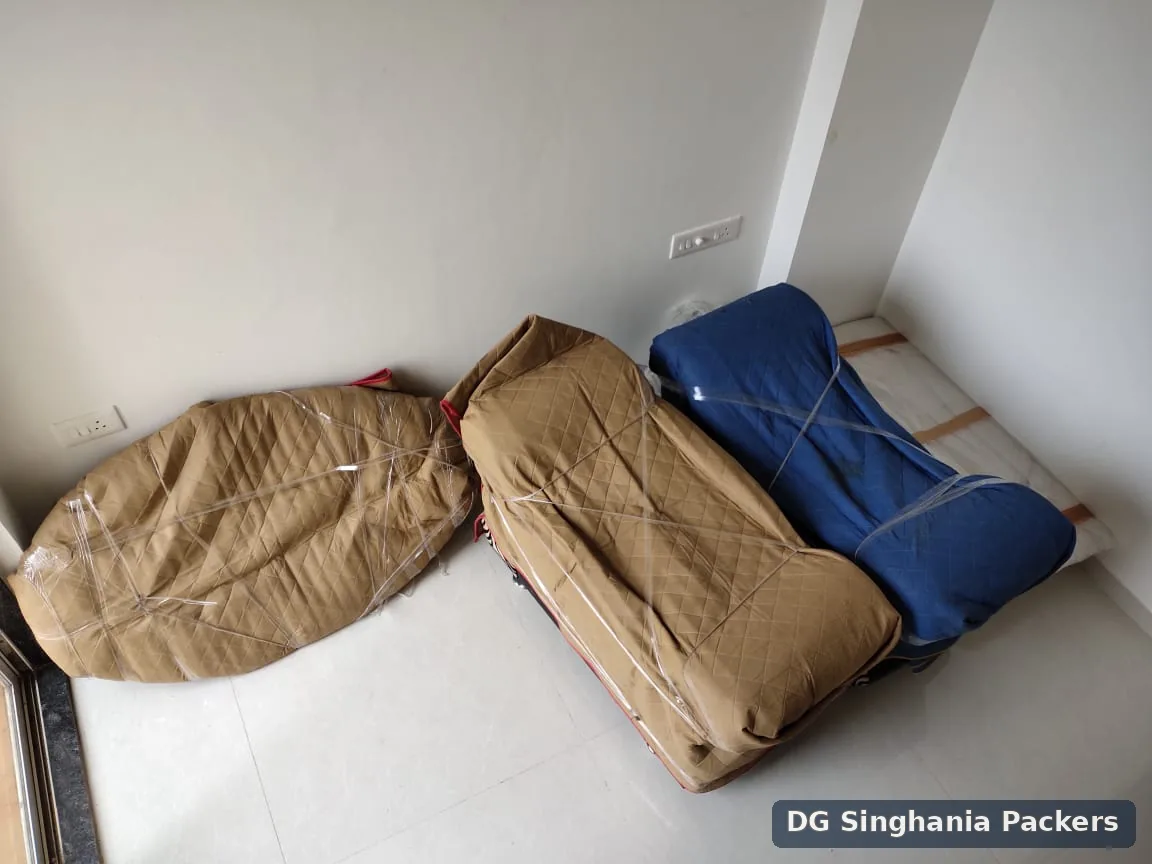
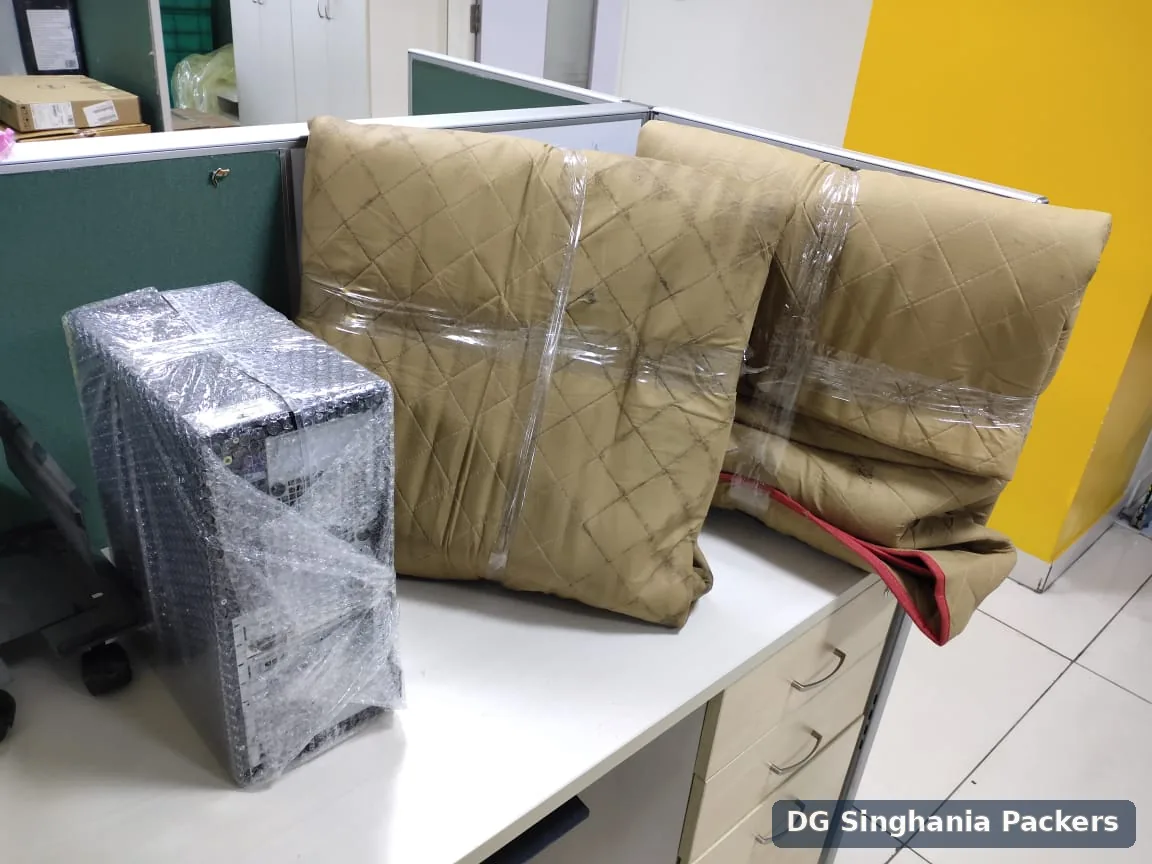
A small office, a full corporate floor and a phased departmental move should not use the same inventory or handover method.
Suitable for a limited number of workstations, files, chairs, tables, storage units and selected inventoried equipment.
Requires a detailed asset list, department sequence, building access, labels, responsible coordinators and destination plan.
Suitable when the primary scope is desks, chairs, partitions, storage, meeting-room furniture and labelled workstation components.
Requires written dates, priorities, temporary operating arrangements, route, delivery contacts and destination readiness for each phase.
An office move should be managed from an approved asset list rather than informal verbal instructions on moving day.
List desks, chairs, tables, pedestals, storage, partitions and meeting-room furniture.
Identify cabinets, archive boxes, active files and records requiring controlled labelling.
Monitors, CPUs, printers and selected inventoried equipment may be physically moved when listed in writing.
Personal laptops, removable drives and sensitive data devices should remain under customer control.
Identify heavy, delicate, laboratory, medical, production or specialised equipment before quotation.
Mark assets staying at the old office or moving through another vendor.
The office quotation should identify which inventoried assets are physically moved while leaving technical system work with the customer or specialist vendor unless separately confirmed.
| Activity | Physical moving scope | Customer or IT-vendor responsibility |
|---|---|---|
| Asset inventory and labels | Can use the approved asset list and destination labels | Approves ownership, priority, users and business classification |
| Computer and monitor movement | Selected inventoried corporate assets may be packed and physically moved | Shutdown, data backup, credentials, encryption and user sign-off |
| Servers and network equipment | Only when expressly assessed and written into a suitable physical scope | Shutdown, rack work, network design, cybersecurity, restart and testing |
| Cables and accessories | Can be grouped and labelled when included | Technical mapping, port identification and functional reconnection |
| Personal laptops and drives | Not part of general office packing | Remain under customer control |
| Destination testing | Physical placement only when written | Power-on checks, network tests, application tests and recommissioning |
A useful labelling system reduces mixed assets, repeated handling and confusion during unloading.
Use a clear department or team code that appears on the asset list, label and destination plan.
Use the customer’s approved asset ID where available rather than creating an informal duplicate identity.
Assign a floor, room, bay or workstation zone before loading so unloading can follow an approved sequence.
Identify business-critical items, essential files and first-use workstations without placing sensitive information on public labels.
Group suitable cables, accessories, keys and detachable parts with the correct asset or labelled container.
Clearly separate retained, leased, disposed, personally owned or third-party-managed assets.
Use an authorised coordinator to confirm placement rather than accepting instructions from multiple people.
Compare major assets and labelled containers against the approved list at handover.
Loading docks, service lifts, security rules and restricted hours can affect labour, vehicle, route and timing even when the road distance is short.
Confirm the permitted entry, vehicle size, height, registration and loading location.
Confirm lift dimensions, weight limit, booking, protective requirements and operating window.
Arrange worker entry, vehicle registration, asset gate pass and any required letter or approval.
Disclose the lawful vehicle position and distance between the office, lift and loading area.
Confirm whether the building permits evening, weekend or business-hour movement.
Ensure employees, files, furniture and IT assets are ready according to the approved sequence.
Confirm keys, power, access, furniture plan, network readiness and responsible destination contacts.
Missing access or incomplete readiness may require documented review of labour, vehicle and schedule impact.
The quotation should identify ordinary physical packing and any special method or technician that must be arranged separately.
Review dimensions, detachable parts, weak joints, glass surfaces and destination assembly suitability.
Protect upholstery, arms, wheels and detachable components, and group labelled parts where appropriate.
Use labelled sealed boxes and customer-approved access rules for confidential or controlled records.
Use suitable physical protection after customer or IT-vendor shutdown, backup and release.
Remove loose trays, cartridges or accessories according to manufacturer or specialist guidance where required.
Disclose glass boards, framed items, display screens and fragile meeting-room goods before packing.
Confirm contents, keys, internal shelves, weight and whether files are removed before movement.
Custom crates, environmental controls, calibration or specialist lifting require separate written assessment.
The moving company physically relocates approved assets, while the business decides what must remain operational and when users can resume work.
Identify departments, files and workstations needed first at the destination, and label them without exposing sensitive business information.
Plan remote work, alternate desks or another internal continuity method when the move overlaps normal operations.
Align the physical move with IT, network, facility, security, electrical and other specialist vendors.
Tell employees what to pack, what to retain, when access changes and who controls personal or sensitive devices.
Separate moved, retained, disposed, leased and landlord-controlled items before the final loading sequence.
Assign destination coordinators for zones, furniture placement, asset reconciliation and unresolved work. Keep the approved floor plan, department sequence and responsible vendor contacts available so physical placement decisions do not delay later IT, facility or employee setup.
A single move window may reduce repeated handling, while a phased move may reduce disruption but requires stronger coordination and repeated access planning.
Suitable when the office can be released, moved and received within one coordinated operating window.
Suitable when departments, priorities or operating continuity require more than one planned phase.
The actual sequence may vary, but the move should have an approved asset list, authorised coordinators and clear IT and facility boundaries.
Share office type, assets, addresses, access and preferred window.
Review furniture, files, workstations, IT assets and special equipment.
Confirm loading, lifts, security, parking and building restrictions.
Receive the scope, components, GST, timing and payment terms.
Approve assets, zones, retained items, backups and vendor duties.
Perform the agreed physical packing, sequence and loading work.
Move and unload according to route, access and zone labels.
Reconcile major assets, record concerns and confirm remaining work.
The destination coordinator should check major labelled assets, approve physical placement and record visible concerns before relevant packaging or evidence is discarded.
Compare the approved list with delivered furniture, workstations, files and selected IT assets.
Review accessible surfaces and major items without assuming technical function or the contents of sealed customer-packed boxes.
Confirm activities that remain with IT, facility, electrical, networking, carpentry or another specialist vendor.
Added assets, changed move windows, different access or new specialist requirements may affect packing, labour, vehicle, route and schedule.
Added furniture, files, workstations or equipment can change volume, packing and vehicle requirements.
An unavailable lift, changed loading dock, restricted parking or new security rule can change handling.
A revised move window or phase sequence can affect labour, vehicle and vendor coordination.
Custom crating, storage, redelivery, lifting, technician or installation work should be separately confirmed.
The final amount depends on the approved assets, files, packing, labour, vehicle, floors, lifts, loading access, move window, route, waiting and optional services.
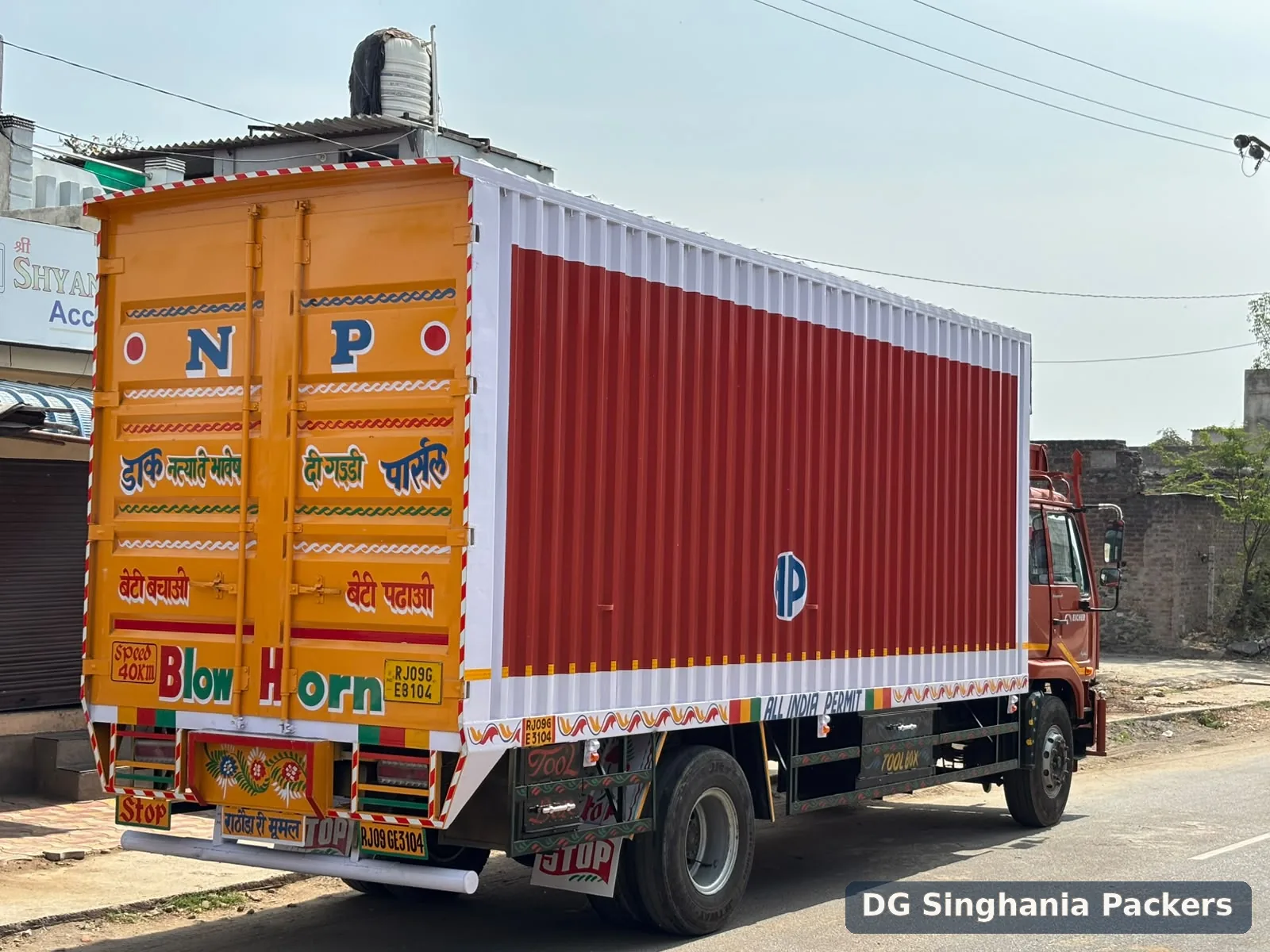
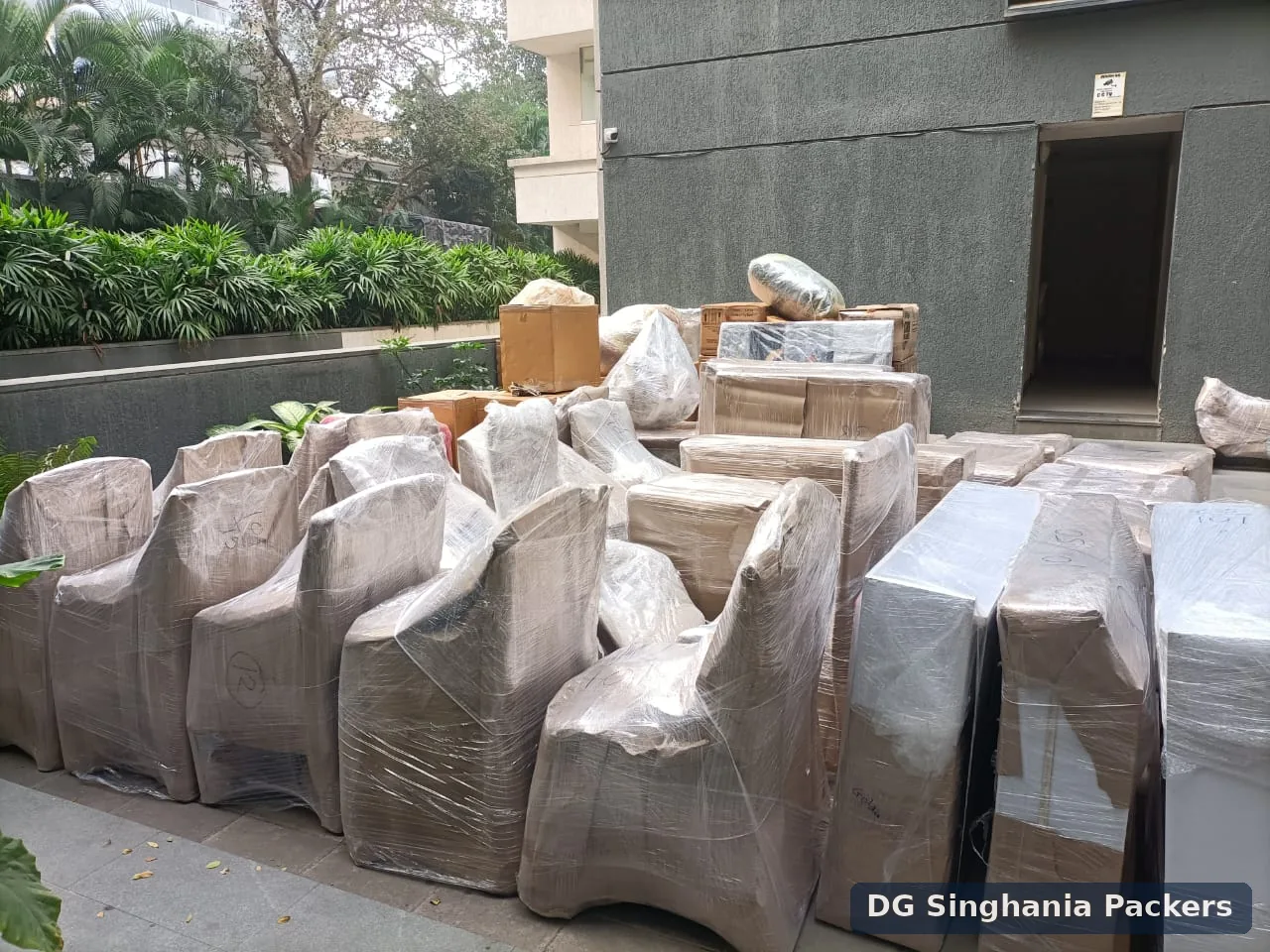
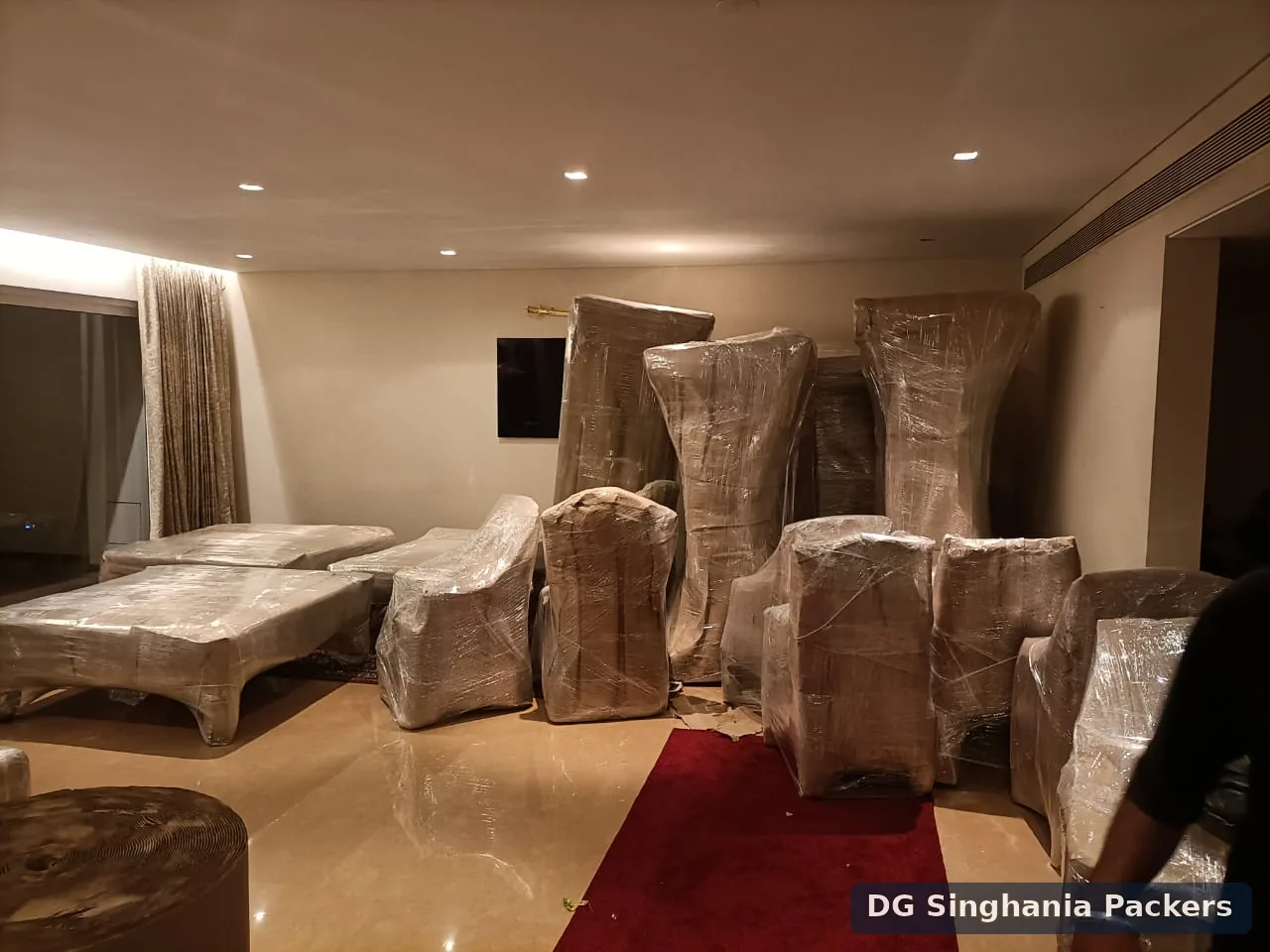
The photographs show physical relocation activity and are not presented as proof of technical IT services or as branch-exterior images.
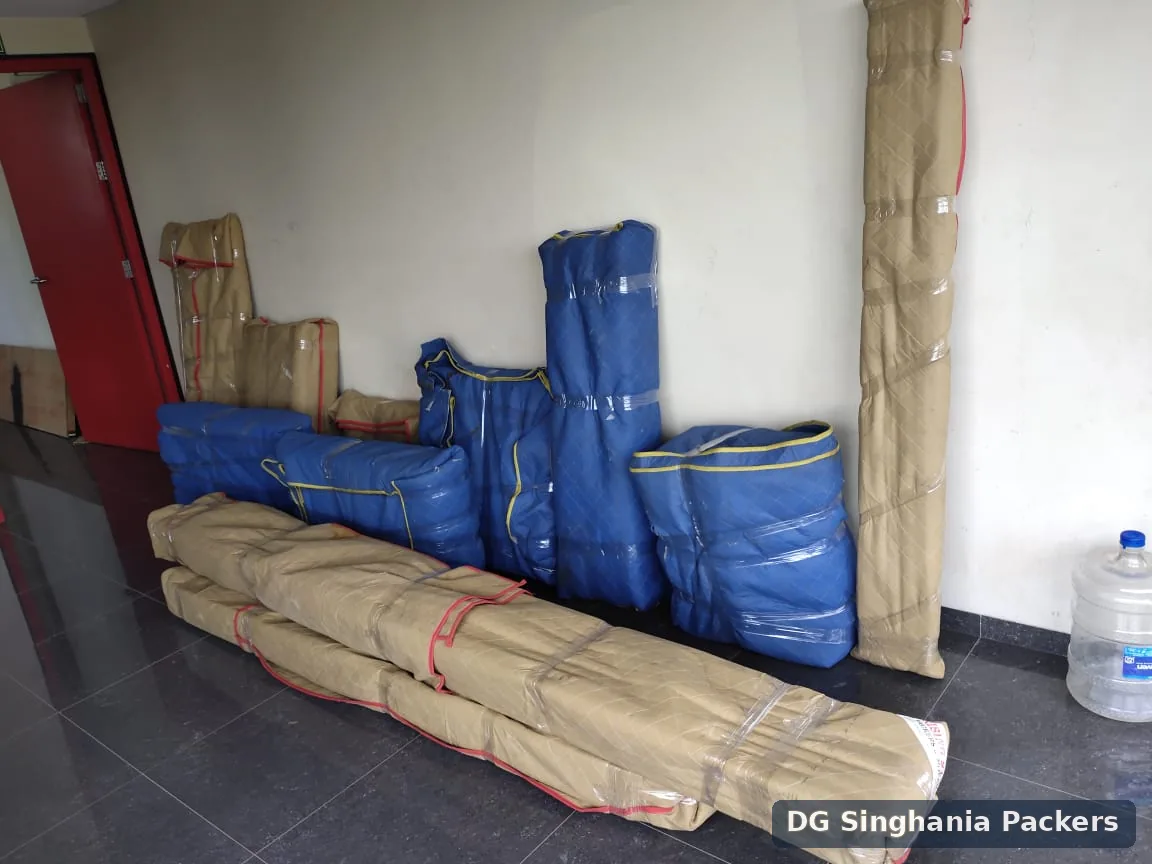
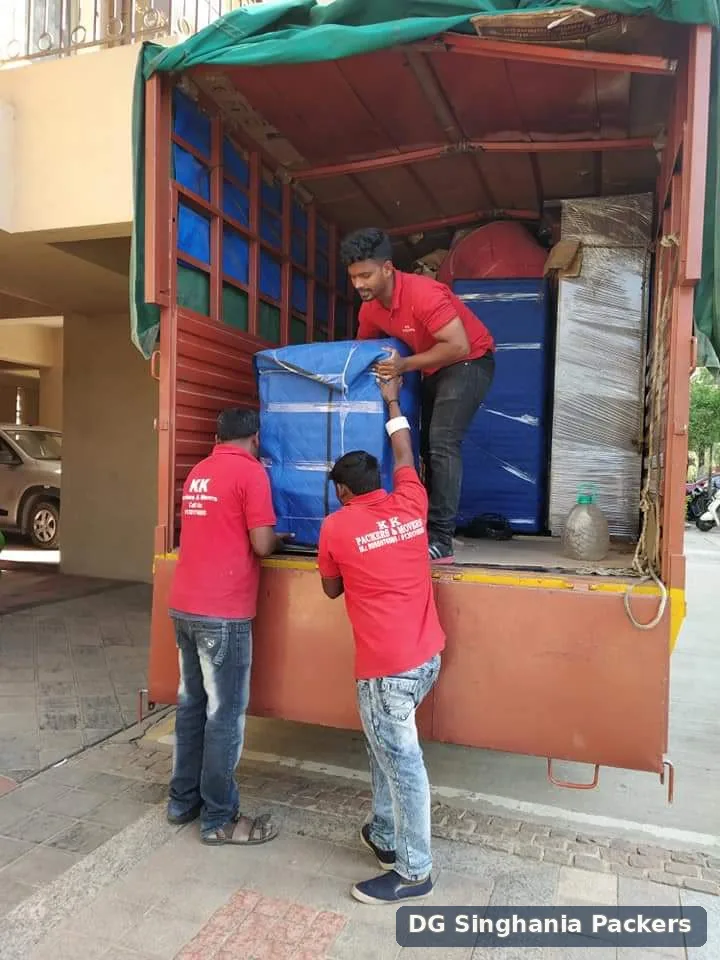

The sitewide policies apply to office and commercial relocation in Pune.
Claim review is available for damage caused during company handling, subject to the written scope, asset condition, packing responsibility and evidence.
Read Claim Policy →Transit insurance support is available on request. Coverage depends on the insurer’s terms and declared value.
Read Insurance Support →Personal laptops, removable drives and sensitive data devices should remain under customer control. Backup and cybersecurity remain customer responsibilities.
Review Restricted Items →Specialist lifting, calibration, environmental control, custom crating or technician work requires separate written assessment.
Read Terms and Conditions →Storage is available only when expressly confirmed in writing and may have separate facility, access, retrieval and accepted-goods conditions.
Request Storage Assessment →No universal free-change or refund timeline applies. Notice, availability, completed work and documented commitments are reviewed.
Read Change Policy →Use one complete enquiry so the quotation can reflect the approved physical office scope.
Include workstations, furniture, files, selected IT assets, floors, lifts, loading access and destination zones.
The visible answers match the FAQPage structured data embedded on this page.
DG Singhania Packers can assess office furniture, files, workstations and selected inventoried corporate IT assets across Pune and relevant Pimpri-Chinchwad areas, subject to the actual scope, access, move window and availability.
The quotation may include office furniture, files, storage units, workstations, monitors, printers and selected inventoried corporate IT assets when they are listed and suitable for physical movement.
Technical shutdown, backup, credentials, cybersecurity, networking, reconnection, testing and recommissioning remain the customer’s or specialist IT vendor’s responsibility unless a separate specialist scope is expressly confirmed.
No. Personal laptops, removable drives and sensitive data devices should remain under customer control.
Share the asset list, photographs, pickup and destination, building access, move window, departments, workstations, files, selected IT assets, floor, lift, loading dock, parking and destination plan.
A requested evening, weekend or restricted-hour move can be assessed, but timing depends on building permission, labour, vehicle and confirmed availability. No fixed-hour promise applies unless expressly confirmed in writing.
A phased move can be assessed when the departments, priorities, dates, access, labels, responsible coordinators and temporary operating plan are written down.
Packing materials, packing labour and label systems may be included when stated in the quotation. Special crates, environmental controls or specialist technical packing require separate confirmation.
No. The final amount may depend on furniture, files, equipment, volume, packing, labour, vehicle, floors, lift, parking, long carry, move window, route and optional services.
No. Transit insurance support is available on request. Coverage depends on the insurer’s terms and declared value.
Claim review is available for damage caused during company handling. Review may consider the written scope, declared condition, packing responsibility, photographs, asset records and handling evidence.
A written revision may be required when the asset list, route, date, move window, access, packing, labour, vehicle, waiting, storage or another material service condition changes.
Share the asset list, workstations, files, selected IT equipment, floors, lifts, loading access, move window and destination zones.