Loading-only service
Labour for moving confirmed goods from the property or staging point into a suitable vehicle arranged by the customer or written into the quotation.
Arrange loading-only, unloading-only or a defined labour and handling scope for packed household goods, office assets, customer-provided vehicles, storage handovers or selected bulky items. The written quotation can cover the inventory, crew, floors, lift, stairs, parking, carrying distance, vehicle readiness and placement instructions.
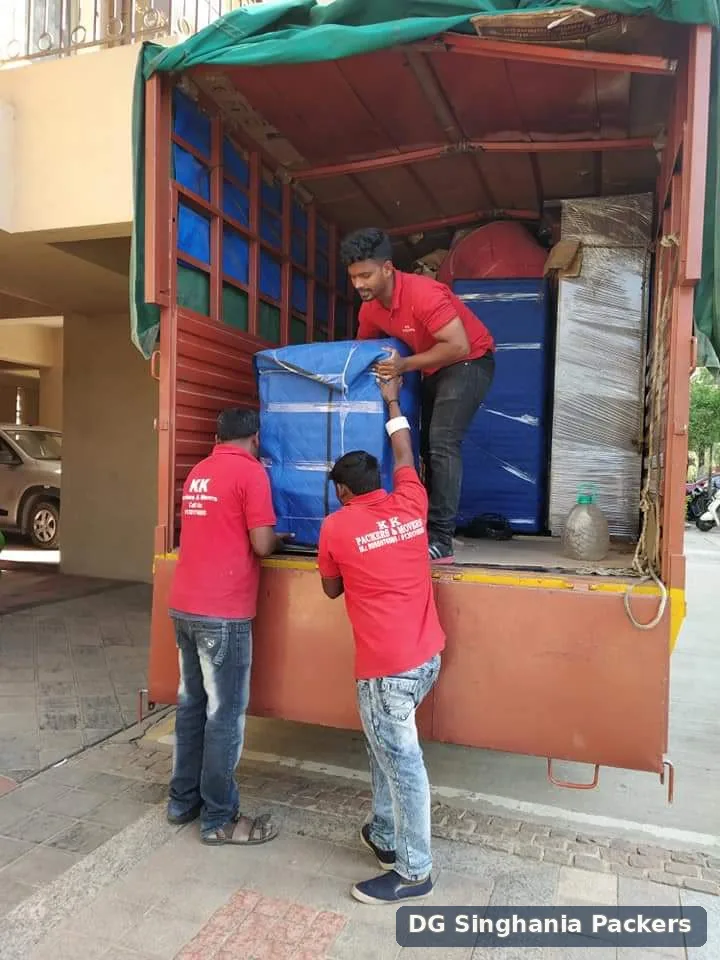
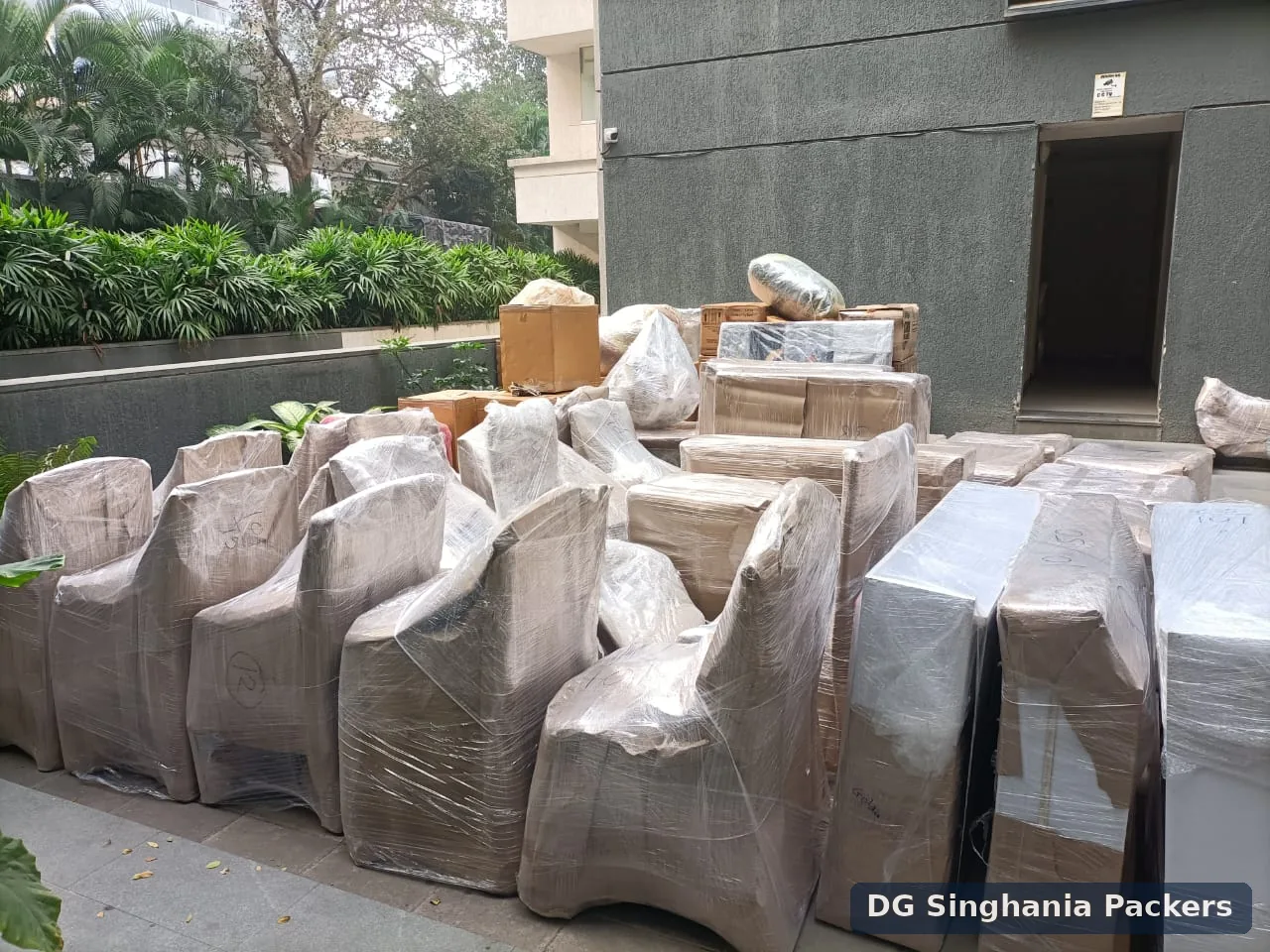
The service is suitable when goods are packed or otherwise ready for safe handling. It does not automatically include packing, transportation, dismantling, installation, storage or specialist lifting equipment.
Labour for moving confirmed goods from the property or staging point into a suitable vehicle arranged by the customer or written into the quotation.
Labour for removing goods from a confirmed vehicle and placing them at the designated room, floor or staging area according to the written scope.
Combined handling at both ends when the route, vehicle and transport responsibility are separately arranged or included in the broader quotation.
Furniture, appliances, cartons and packed household goods requiring room, floor, lift and carrying-path planning.
Workstations, files, furniture and selected inventoried office assets moving through a building, loading bay or confirmed vehicle.
Bulky, awkward, repaired or high-weight goods considered only after weight, dimensions, access and suitable handling arrangements are reviewed.
The quotation should identify which parts of the movement are included and who is responsible for packing, the vehicle, transport, specialist work and destination access.
Two properties with the same inventory may require different crews and time because the carrying path, lift rules and vehicle position are different.
Share the floor, lift size, service-lift requirement, booking window and whether the lift reaches the loading point.
Confirm stair width, turns, railings, low ceilings and whether bulky goods can move safely through the staircase.
Provide the lawful vehicle position and approximate distance to the building entrance or loading bay.
Share height, width, ramp, turning and security restrictions before the vehicle or crew is dispatched.
Arrange gate entry, move windows, security deposits, loading-bay slots and common-area protection where required.
A safe and lawful meeting or staging point may be required when the vehicle cannot reach the building.
Rain, open carrying routes and uncovered staging areas can affect timing and handling preparation.
Unavailable keys, vehicles, permissions, lifts or receivers can require a schedule and cost review.
Loading labour cannot compensate for unsuitable packing, unknown contents, leaking cartons or unsupported fragile items.
| Goods category | Before loading | Handling consideration | Important boundary |
|---|---|---|---|
| Cartons | Closed, labelled and visibly sound | Weight, stacking and room category | Customer-packed cartons are handled as received |
| Furniture | Protected and dismantled only where confirmed | Dimensions, grip points, stairs and lift fit | Reassembly is not automatic |
| Appliances | Cleaned, dried, drained and disconnected | Weight, shelves, doors, hoses and access | Technician work remains separate |
| Fragile goods | Suitable item-specific packing and condition record | Weak points, orientation and stacking limits | Unpacked or visibly weak goods may require review |
| Office assets | Inventoried, labelled and technically prepared | Destination zone, screens, files and components | Data, shutdown and reconnection remain separate |
| Plants and balcony goods | Feasibility, pot condition and loose-part preparation | Soil, water, weight, shape and route | Plant condition or survival cannot be guaranteed |
A sofa, wardrobe, safe, machine, large appliance or repaired item may require a different crew, route or equipment assessment.
Share width, height, depth, detachable parts and the narrowest doorway, staircase or lift route.
Disclose approximate weight, condition, shelves, doors, hoses and whether suitable movement aids are available.
Record cracks, loose joints, glass, previous repair and handling restrictions before the item is moved.
Safes, machines, servers, gym equipment and unusually heavy goods require separate feasibility and equipment review.
The vehicle should be suitable for the goods, accessible at the agreed time and positioned lawfully. The crew should know whether the vehicle has a closed body, open body, high loading deck or limited internal space.
The quotation should identify where the team’s responsibility ends. “Unloading” does not always mean unpacking, reassembly, installation or final organising.
Removing goods from the vehicle to a lawful nearby staging point.
Moving goods through the entrance or loading bay to the agreed handover area.
Placing packed goods or suitable furniture in designated rooms according to customer instructions.
Unpacking, reassembly, installation, wall mounting, cleaning and disposal require express written inclusion.
Good handling starts before the first item is lifted. Clear instructions and a ready work area help the crew follow the agreed sequence without making decisions about ownership, packing, access or vehicle use during the service window.
Remove loose rugs, footwear, décor, bicycles, plant trays and other obstacles from doorways, corridors, stairs and lift approaches. Protect restricted common areas where the society or building requires it.
Mark items that must remain at the property and keep cash, jewellery, identity papers, medicines, personal keys and confidential records under customer control. The crew should not decide what belongs in the load.
Ensure the property, lift, loading bay, gate and vehicle are accessible at the agreed time. Missing permissions or an unavailable lift can change the handling sequence and labour duration.
Identify weak cartons, loose wrapping, open drawers, leaking goods and fragile items before movement begins. Repacking or additional protection is separate unless included in writing.
Provide one responsible contact at the loading point and one at the unloading point. Each contact should understand the inventory, placement instructions and agreed handover boundary.
The vehicle should arrive at the confirmed time with a usable loading area. Existing contents, unsuitable floor condition, limited space or a changed vehicle can require an immediate scope review.
Keep children away from the active carrying route. Pets and live animals are not handled by this shifting service and should remain safely controlled outside the work area.
Identify goods that should load first, remain accessible, unload first or go to a specific room. The customer or authorised receiver should provide the final placement direction.
The actual order depends on the goods, vehicle and destination. A basic sequence can reduce repeated handling and help the receiver identify concerns before the team leaves.
Before loading starts, confirm the usable vehicle area, door opening, loading height, existing contents and whether the confirmed goods can be placed without unlawful overloading.
Heavier and more stable goods may require different placement from cartons, fragile items and open-first goods. The team should follow the practical load plan for the confirmed inventory.
Record the main goods, visible condition concerns, customer-packed cartons, excluded items and any material change to access or vehicle readiness.
The authorised receiver should compare the delivered goods with the handover information, note a visible concern promptly and retain photographs, quotation and payment records.
The sequence can vary, but the goods, access, vehicle, placement and responsibility should remain clear.
Share goods, access, vehicle and date.
Confirm packing and item condition.
Check floors, lifts, stairs and parking.
Confirm labour, scope and exclusions.
Confirm type, arrival and loading point.
Move and place confirmed goods.
Remove and place by written scope.
Record completion and concerns.
Availability depends on the goods, access, crew schedule, vehicle arrangement and written quotation. Locality names do not imply a branch in every area.
Moshi, Borhadewadi and nearby PCMC handling enquiries.
View Moshi Service Page →Hinjawadi, Wakad, Baner and Balewadi for apartments, offices and vehicle loading points.
Kharadi, Viman Nagar and Hadapsar for household, office and packed-goods handling.
Kothrud, Aundh, Shivajinagar and Koregaon Park, subject to floor, parking and carrying conditions.
Other verified addresses can be assessed according to the inventory, vehicle, access and date.
View Pune Hub →Loading and unloading can be booked independently or included within a broader packing, local, home or office relocation quotation.
Pricing depends on the inventory, weight, crew, access, stairs, lift, carrying distance, vehicle readiness, waiting, heavy items and destination placement.
The images support the handling categories. They do not guarantee identical crew size, equipment, vehicle or method for every project.
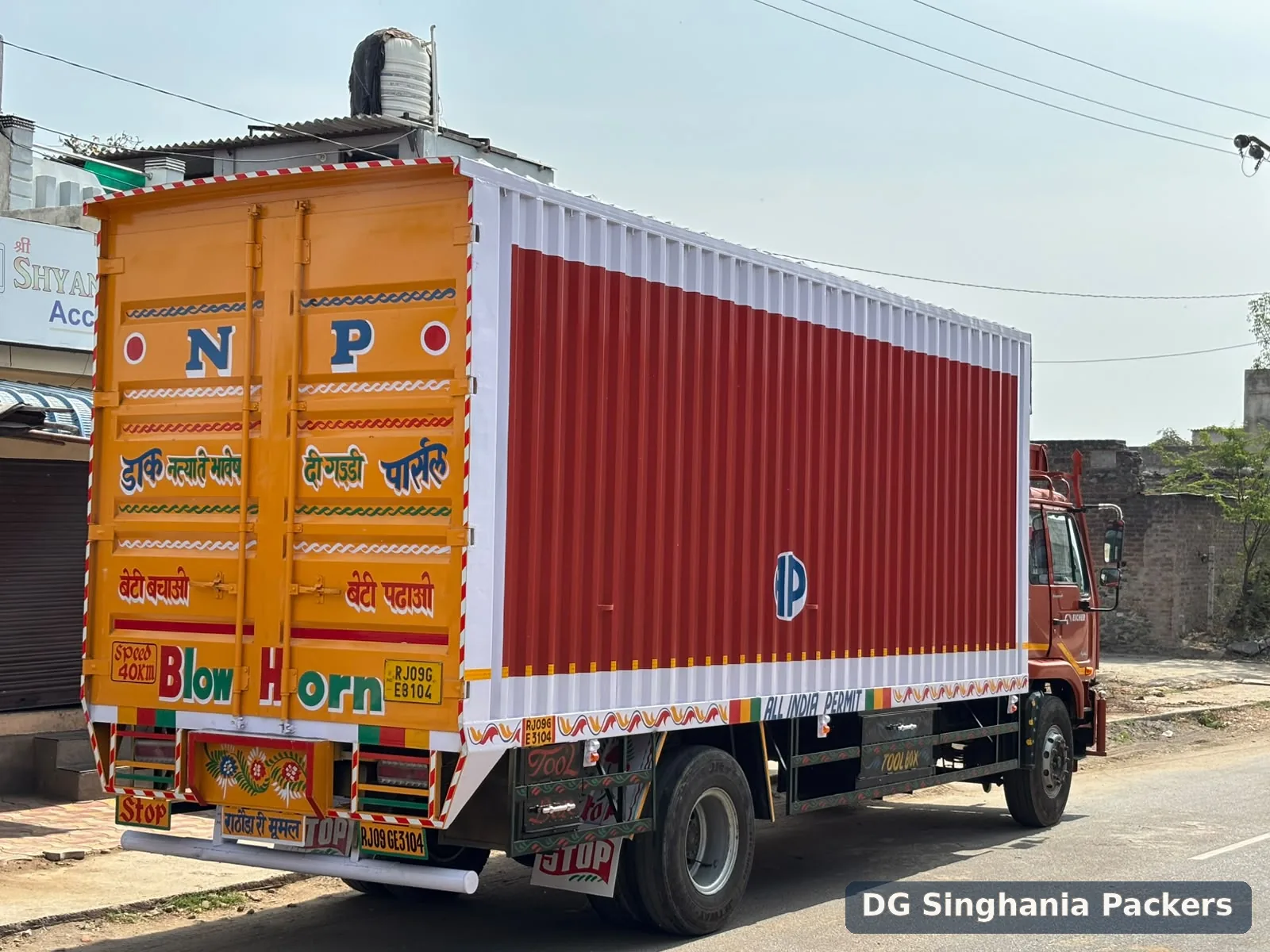
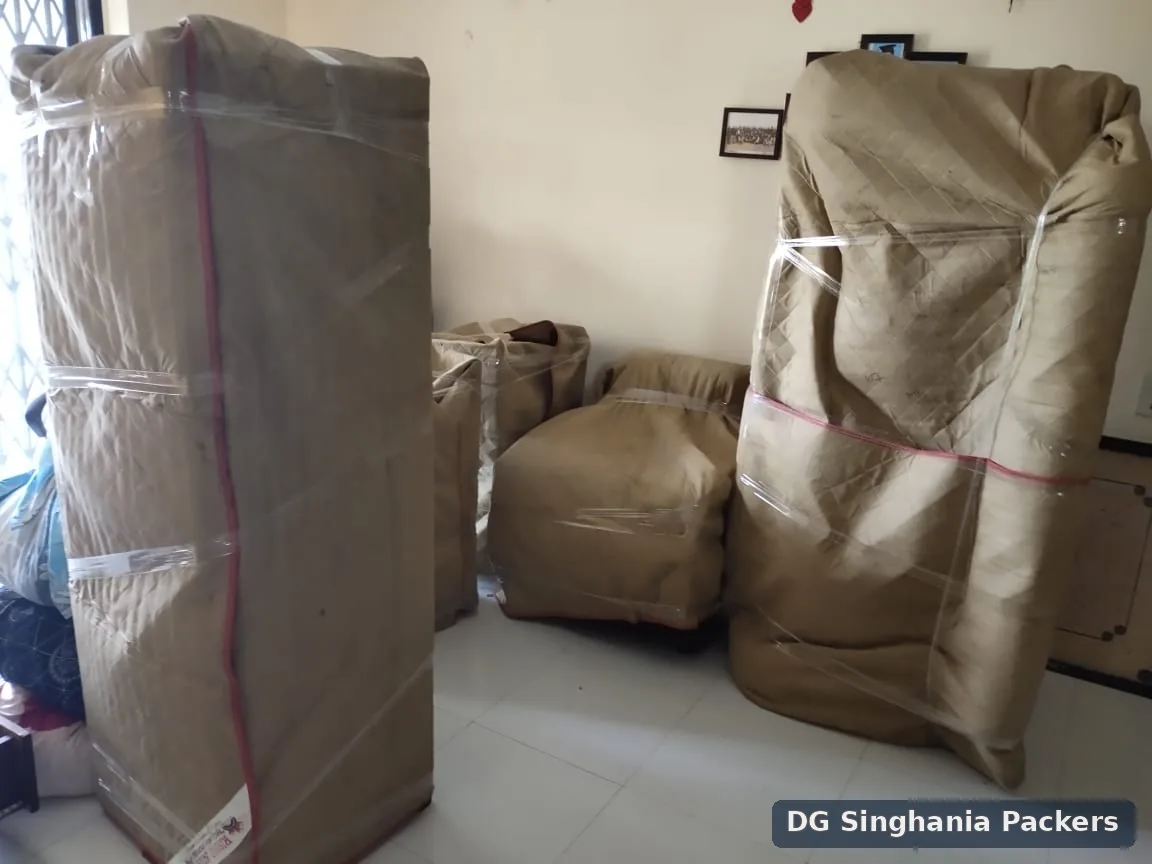
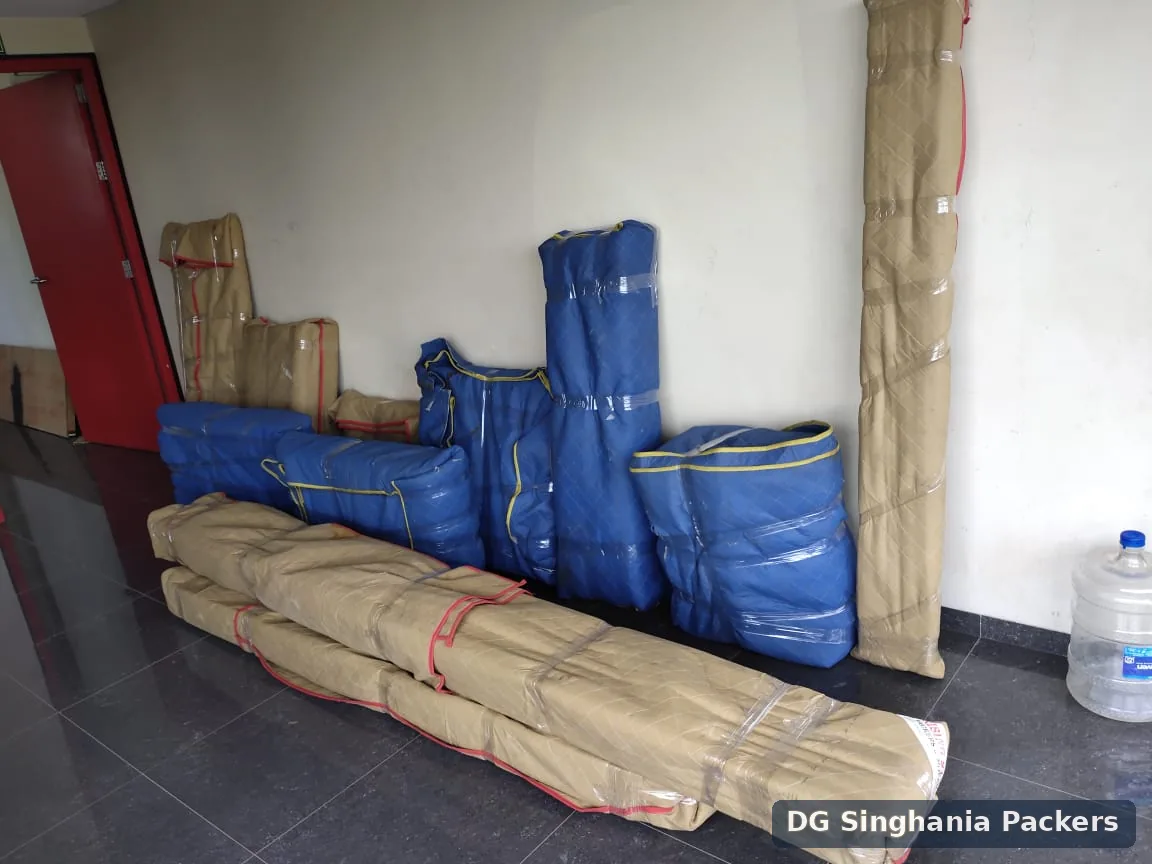
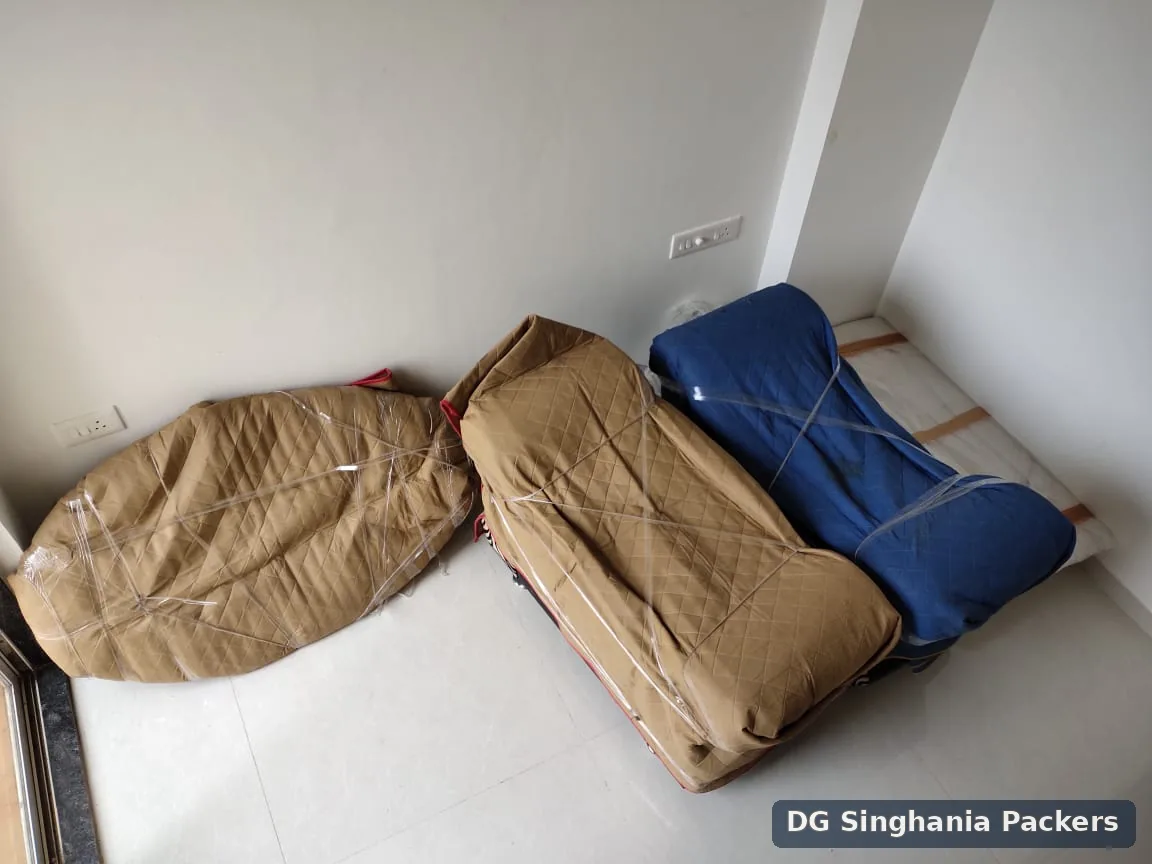
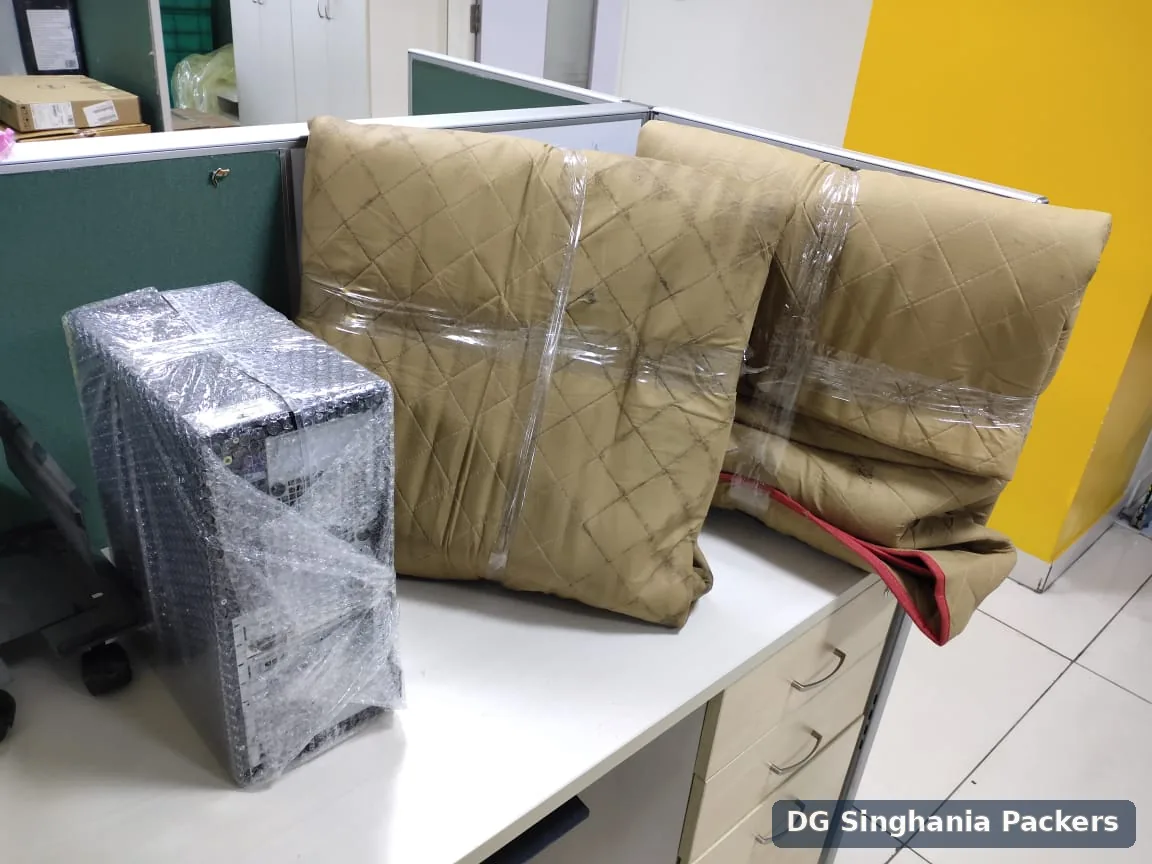
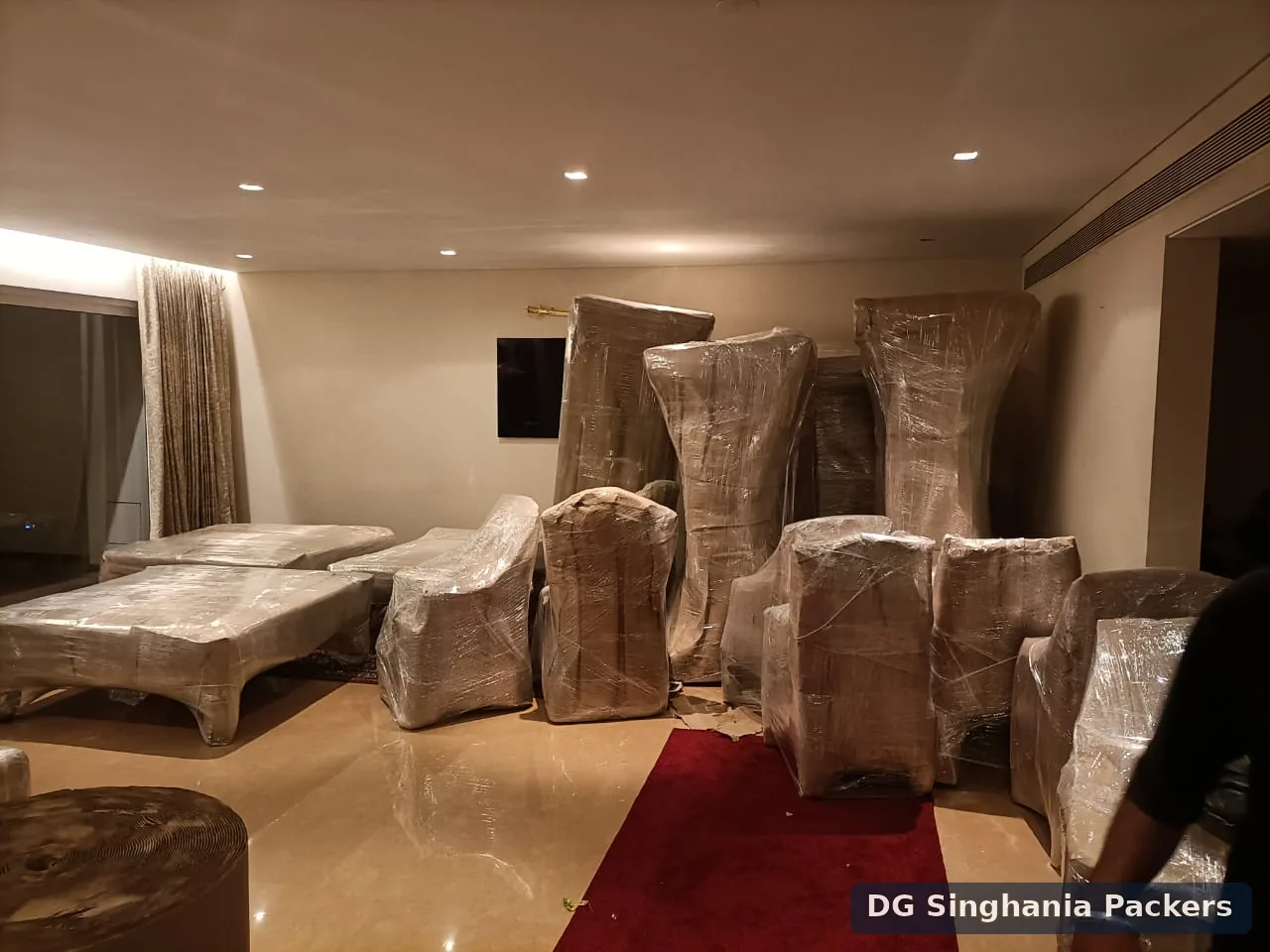
The written quotation and sitewide policies define the final handling scope, responsibility and review process.
Claim review is available for damage caused during our handling. Review may consider condition, packing responsibility, access and evidence.
Read Claim Policy →Transit insurance support is available on request. Coverage depends on the insurer’s terms and declared value.
Read Insurance Support →Customer-packed cartons are handled as received because internal packing quality cannot be verified.
Review Packing Responsibility →Pets and live animals are not handled by this shifting service. Plant shifting depends on size, route, pot condition, vehicle space and feasibility. Plant survival, leaf condition or freshness cannot be guaranteed.
Read Restricted Items →Storage is available only when expressly confirmed in writing and remains subject to accepted-goods and access conditions.
Request Assessment →Inventory, access, vehicle, date, waiting and placement changes may require review under the applicable policy.
Read Change Policy →The final quotation should match the inventory, crew, carrying path, vehicle and destination work actually required.
Include photographs, floors, lift, stairs, parking distance, vehicle details, heavy items and preferred date.
The visible answers match the FAQPage structured data embedded on this page.
Yes. Loading-only enquiries can be assessed when the goods are packed or otherwise ready, the vehicle details are known, the pickup access is suitable and the written scope identifies the labour and handling responsibility.
Yes. Unloading-only work can be assessed when the vehicle, goods, destination access, receiver, floor, lift, parking point and placement instructions are confirmed.
No. Packing is separate unless expressly included in writing. Goods that are not suitably packed or ready for handling may require a revised scope before loading begins.
Not automatically. The customer may provide the vehicle, or DG Singhania Packers may quote a suitable vehicle or complete relocation service separately. Vehicle type, driver and transport responsibility must be written.
The floor, lift availability, service-lift rules, stairs, carrying path and parking distance affect labour time, crew planning and handling difficulty.
Heavy, large, awkward, fragile, repaired or mechanically restricted items require separate assessment. Weight, dimensions, access and suitable handling arrangements should be disclosed before booking.
Dismantling, reassembly, electrical, plumbing, gas, IT and specialist installation are separate unless expressly confirmed in writing.
A longer carrying route, smaller shuttle vehicle, alternative handover point or revised schedule may be required. These conditions should be confirmed before the crew arrives.
Yes, subject to visible carton condition and the written scope. Customer-packed cartons are handled as received because internal packing quality cannot be verified.
The quotation should state the planned move window and any included waiting allowance. Delays caused by access, permissions, unavailable vehicles, keys or receivers can require a written cost review.
No. Transit insurance support is available on request. Coverage depends on the insurer’s terms and declared value. Labour-only handling does not automatically create transit coverage.
Claim review is available for damage caused during our handling. Review may consider the written scope, item condition, packing responsibility, access, photographs and handover evidence.
Share the inventory, photographs, floors, lifts, parking, vehicle, heavy items and placement requirement.