Structured phone survey
Suitable for straightforward enquiries when the customer can provide a complete room-wise inventory, access details and photographs.
Use this guide to prepare an accurate moving assessment before a written quotation is issued. A useful survey records the goods, photographs, item condition, packing, floors, lift, stairs, parking, carrying distance, vehicle access, route, bulky items, specialist work and destination conditions rather than relying only on a BHK or workstation count.
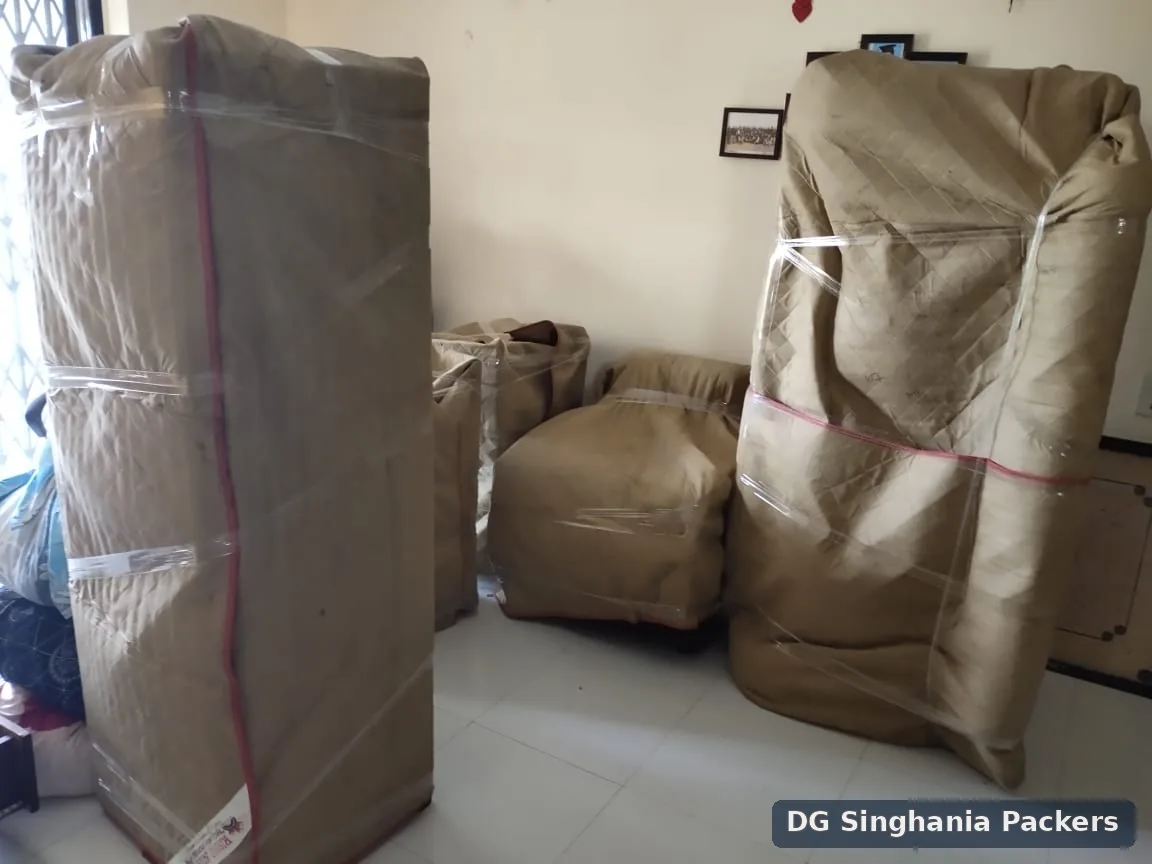
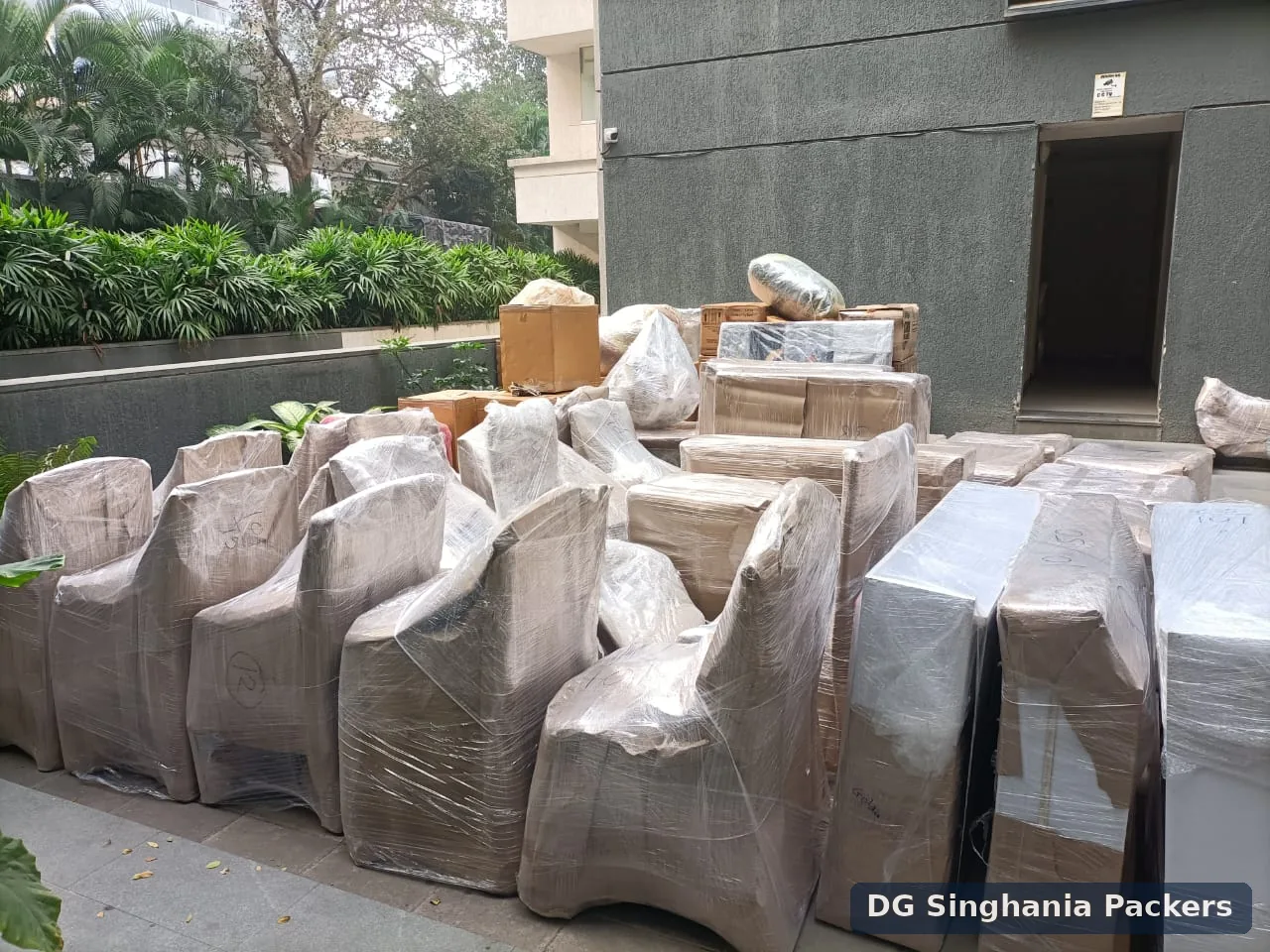
The suitable format depends on the inventory, access, distance, special items and how much reliable information the customer can provide remotely.
Suitable for straightforward enquiries when the customer can provide a complete room-wise inventory, access details and photographs.
Useful for documenting furniture, appliances, fragile items, existing condition, parking and the carrying route.
Useful for walking through rooms, storage, access and bulky items while answering questions in real time.
May be requested when the move includes complex access, office assets, heavy items, unusual goods or incomplete remote information.
Suitable when the customer or business already maintains a detailed list with dimensions, quantities, locations and destination zones.
Combines inventory, photographs, video and follow-up questions when no single format records the complete scope.
Used when the pickup is already understood but the delivery building, lift, parking or placement needs separate confirmation.
Used for selected bulky, fragile, repaired, heavy, modified or mechanically restricted goods requiring extra detail.
The survey should record what is moving, what is not moving and what remains undecided.
A complete survey should account for visible furniture, loose goods, stored contents and items that require special preparation.
| Room or area | Common survey items | Questions to ask | Possible moving effect |
|---|---|---|---|
| Living room | Sofas, chairs, tables, television, décor and storage | Dimensions, glass, wall mounting, recliners and access | Packing, dismantling and vehicle space |
| Bedrooms | Beds, wardrobes, mattresses, side tables and clothing | Contents, panels, mirrors, lofts and dismantling | Carton count, labour and furniture handling |
| Kitchen | Utensils, crockery, appliances, food and liquids | Fragile goods, perishables, leaks and technician needs | Cartons, cushioning and excluded goods |
| Utility and appliances | Refrigerator, washing machine, dryer and water equipment | Drainage, disconnection, weight and route | Preparation, technician and handling plan |
| Balcony and storage | Plants, tools, cycles, boxes and outdoor furniture | Pot condition, loose soil, weather and access | Feasibility, packing and vehicle space |
| Office or study | Books, files, desks, screens and electronics | Data, accessories, confidentiality and destination | Labels, cartons and customer-held items |
Useful images should help assess size, condition, access and packing rather than simply proving that an item exists.
Use a wide view before close-ups so the item’s overall shape, detachable parts and surrounding access are visible.
Photograph cracks, loose joints, repairs, dents, stains, glass chips and other visible concerns before packing.
Provide approximate dimensions or a clear measurement for items that may not fit through a lift, doorway or vehicle opening.
Capture apartment doors, corridors, stairs, lift doors, landings, loading bays and the parking point.
Open wardrobes, lofts and cabinets enough to show approximate moving volume without displaying private documents.
Capture hoses, cords, shelves, wall mounts or technical connections that require preparation or specialist work.
Do not send readable identity papers, financial records, passwords, access cards or confidential business data.
Use room and item names so photographs can be matched to the inventory and quotation assumptions.
The vehicle may reach the building while the item still fails to fit through a doorway, lift or staircase.
Selected items can determine whether ordinary packing, labour and vehicle planning are suitable.
The survey should distinguish mover-packed goods, customer-packed cartons, unpacked furniture and custom work.
List rooms, item groups, fragile goods, furniture surfaces and the required packing or unpacking scope.
Record quantity and visible condition. Internal packing quality cannot be verified after the cartons are sealed.
Identify polished surfaces, upholstery, mirrors, detachable parts, weak joints and destination access.
Record glass, artwork, unusual shapes, existing weakness and whether custom support or crating requires assessment.
Record department, workstation, asset, destination zone and open-first requirements for business moves.
Confirm whether the destination work ends at unloading, room placement, carton opening or a separately defined unpacking scope.
Confirm whether ordinary packing-material collection is included and what remains outside the service.
Record open carrying routes, monsoon exposure, dry staging areas and covered vehicle assumptions.
Use the Packing Material Guide for Pune Moves to understand the material categories, then use the Packing and Unpacking Services in Pune page for the commercial packing scope.
The same core inventory and access principles apply, but different moves require different supporting information.
| Move type | Additional survey information | Key commercial parent | Common change trigger |
|---|---|---|---|
| Home shifting | Room inventory, appliances, cartons, plants and unpacking | Home Shifting Pune | Added rooms, goods or destination placement |
| Local shifting | Route, vehicle access, multiple stops and move window | Local Shifting Pune | Extra stop, long carry or larger vehicle need |
| Intercity relocation | Destination city, packing level, delivery access and transport arrangement | Intercity Relocation Pune | Route, shared/dedicated scope or inventory revision |
| Office relocation | Workstations, files, selected IT assets, zones and restricted hours | Office Relocation Pune | IT, phased work, added assets or building rules |
| High-rise apartment move | Service lift, move window, basement, loading bay and stairs | High-Rise Apartment Shifting Pune | Lift, parking, society or floor change |
| Selected-item move | Dimensions, weight, condition, dismantling and exact route | Furniture and Appliance Shifting Pune | Added items or changed access |
A quotation is not only a total. It should identify the inventory, packing, access, vehicle, route, date and work that the price assumes.
A changed inventory or access condition can affect the complete operational plan.
Share new furniture, appliances, cartons, plants, balcony goods and office assets with photographs where useful.
Record major removals so the packing, vehicle and labour assumptions remain current.
Provide the new route, property access, floor, lift, parking and destination placement.
A revised date or move window may affect crew, vehicle, carrier and building availability.
Customer-packed versus mover-packed goods, custom packing and unpacking should be revised in writing.
Car or bike transport requires a separate vehicle, route, document and condition assessment.
Storage is available only when expressly confirmed in writing and requires accepted-goods and access conditions.
New permissions, lift slots, bay limits or restricted hours should be reported before dispatch.
Photographs and videos should focus on the goods, condition and access.
The sequence can vary, but the information, assumptions and changes should remain traceable.
Share move type, route and date.
Choose call, photos, video or site visit.
Record rooms, goods and quantities.
Record floors, lifts, stairs and parking.
Identify fragile, heavy and restricted goods.
Confirm packing, vehicle and destination work.
Record inclusions, exclusions and assumptions.
Update material changes before move day.
The guide supports moving enquiries across Pune and PCMC, but individual apartment, society, office and road conditions remain property-specific.
Confirm society access, mixed residential and industrial traffic, parking and branch-side route planning.
Record gated-community access, office-park restrictions, high-rise lifts and peak traffic windows.
Confirm apartment towers, commercial buildings, basement restrictions and loading-bay arrangements.
Record narrower roads, parking distance, older-building stairs, restricted access and mixed-use conditions.
The guide explains how information is collected. The commercial service page controls the actual move.
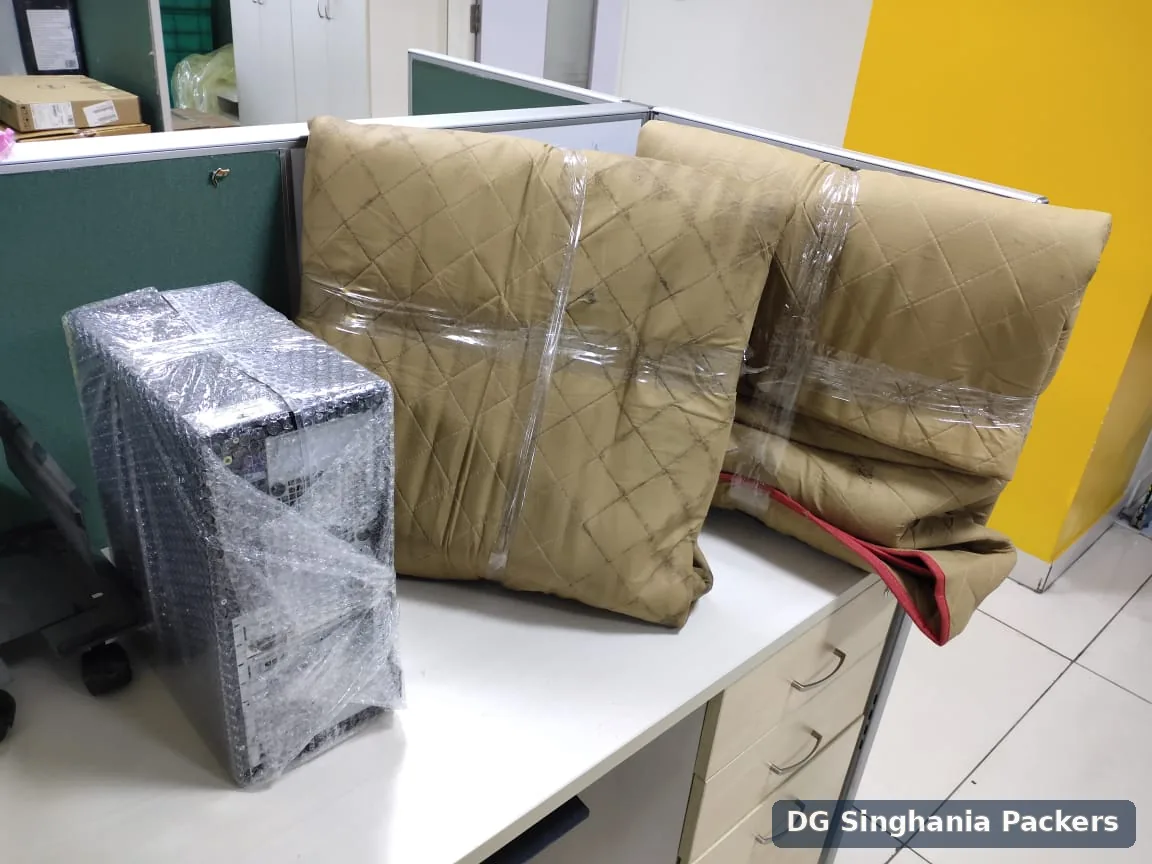
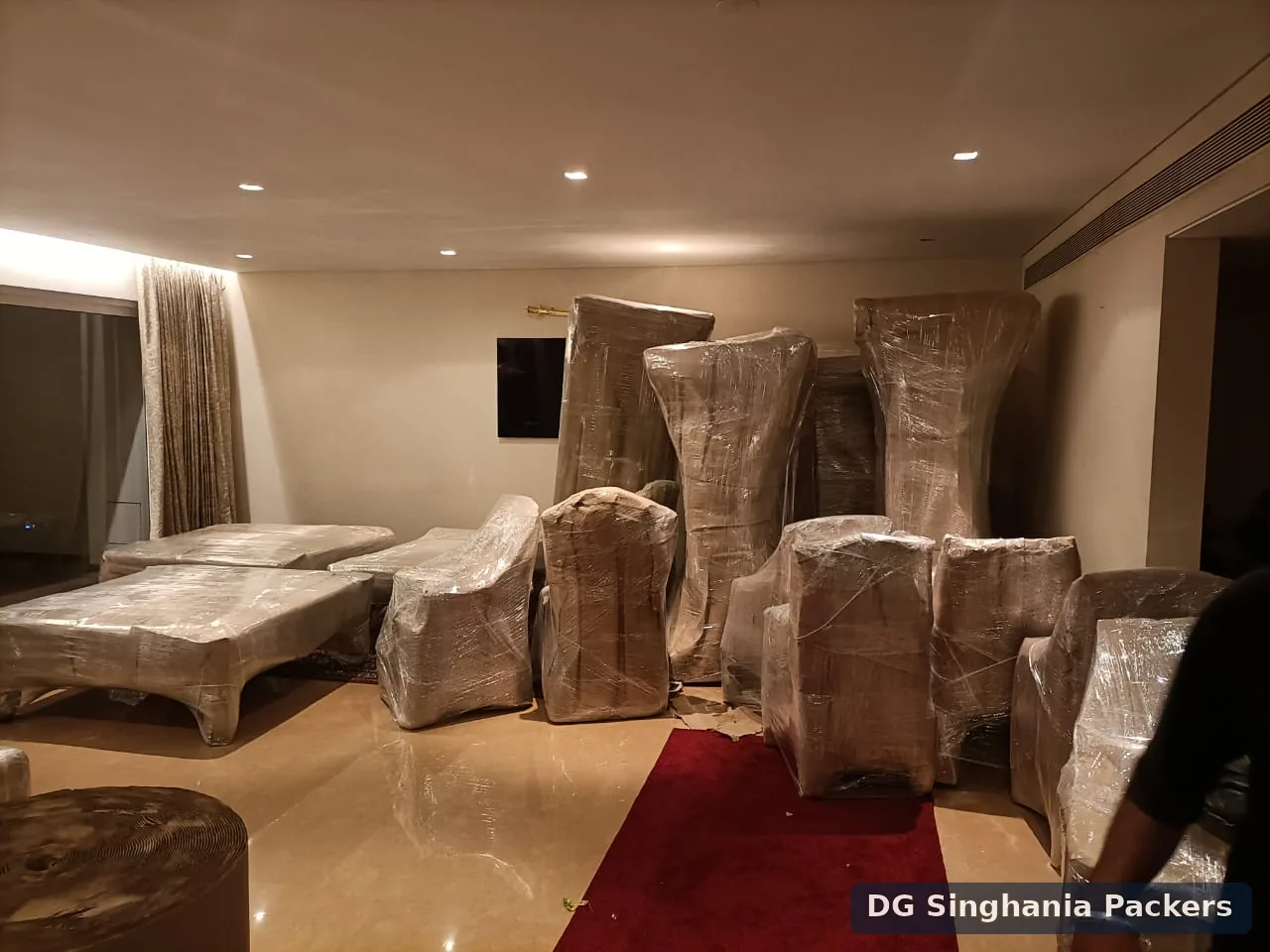
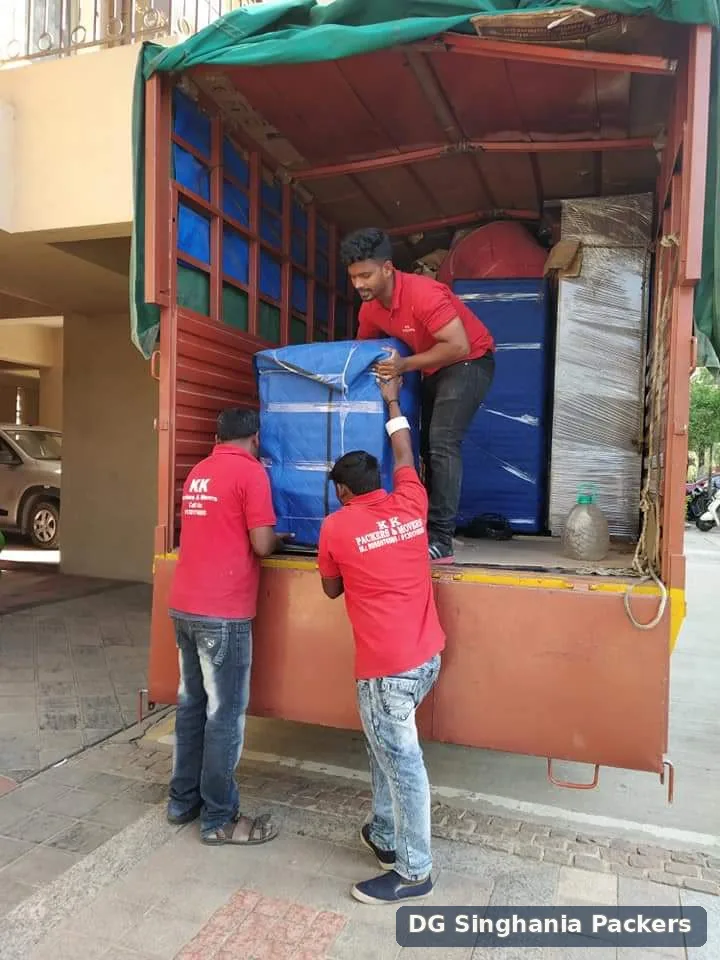
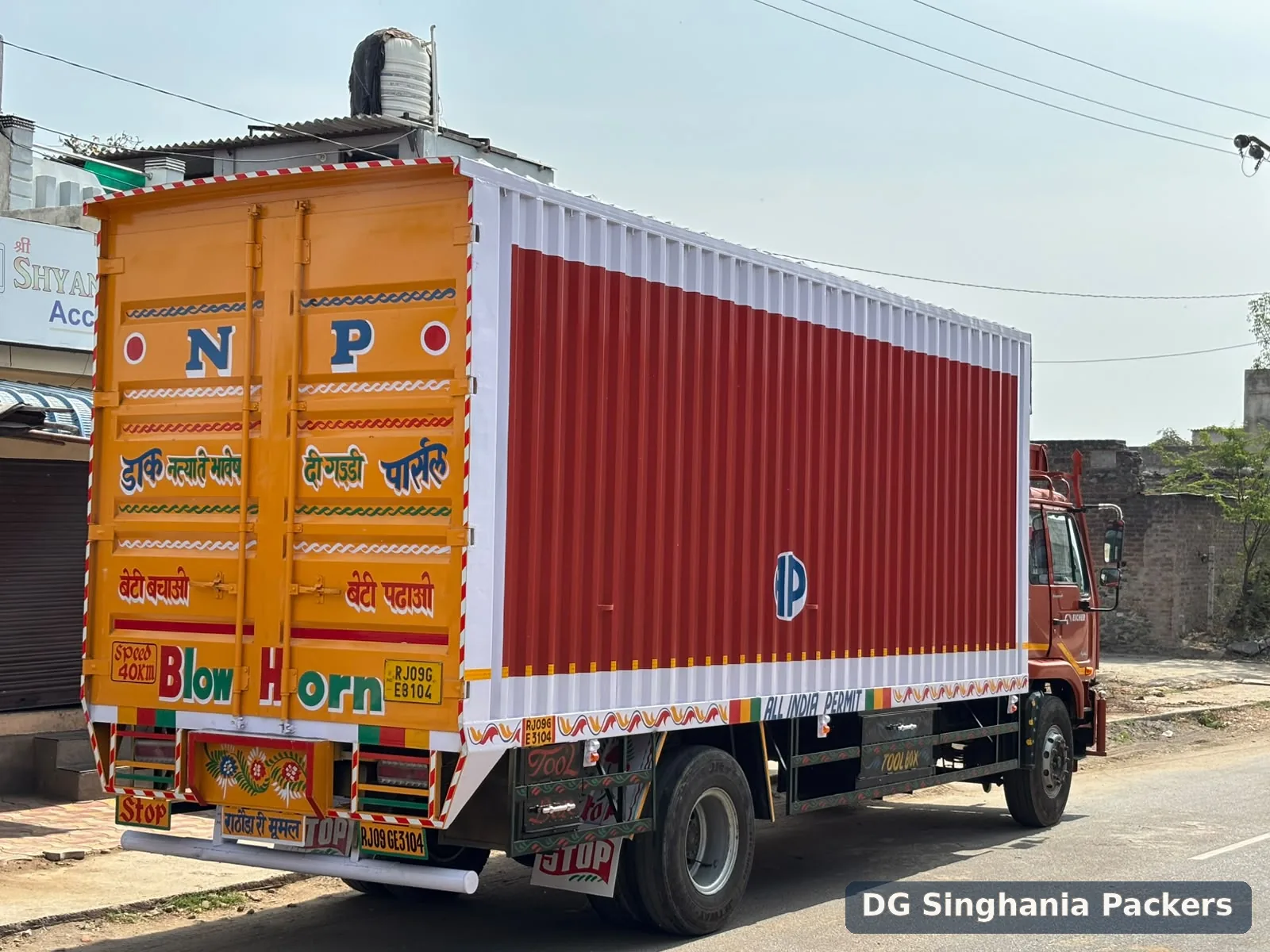
The images illustrate categories that may be documented during a survey. They do not replace photographs of the customer’s actual goods and property.
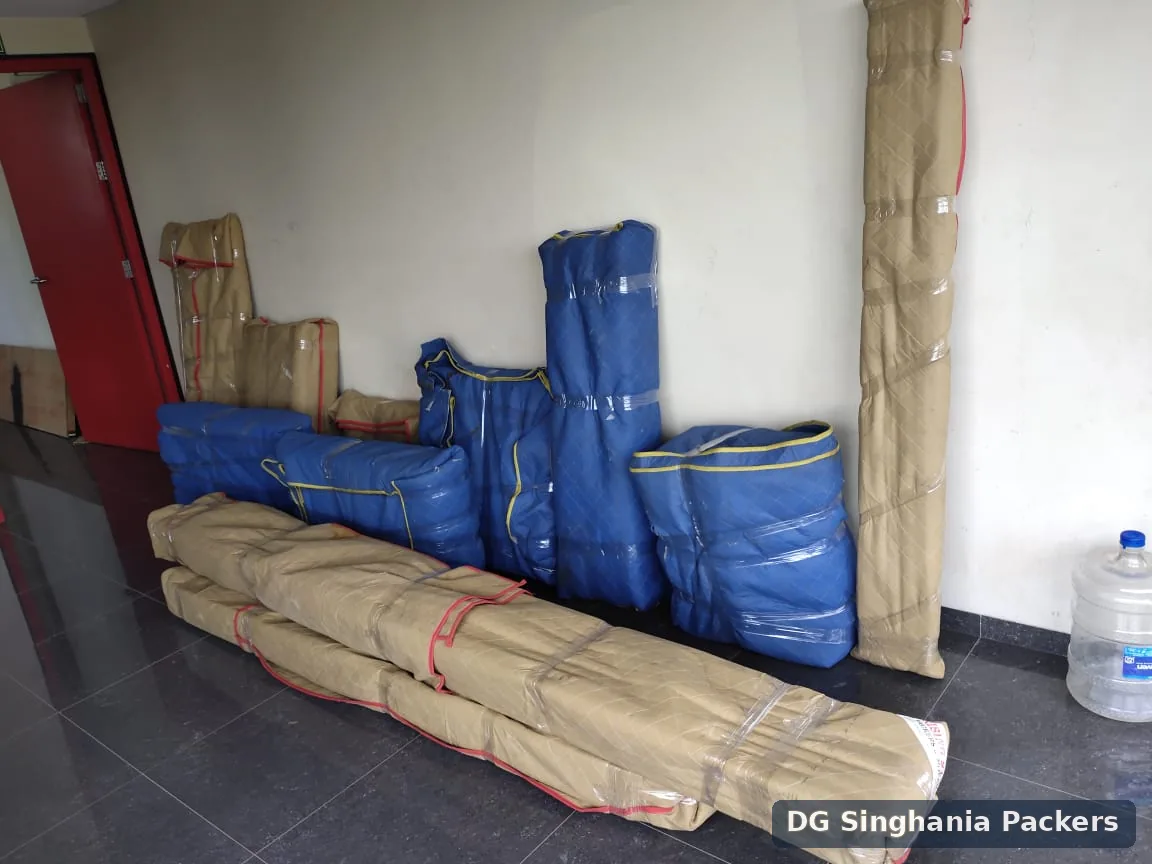
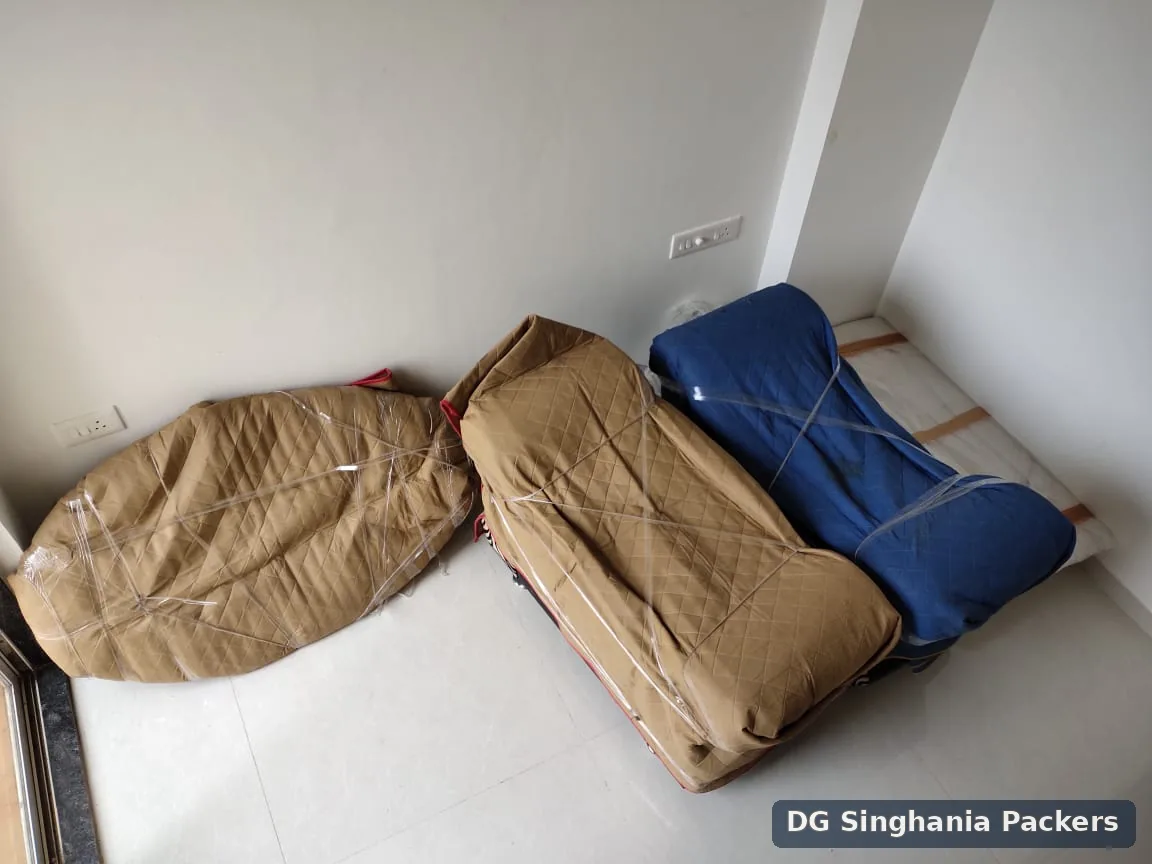
The guide helps prepare the information; the written quotation controls the actual service and price.
Include the rooms, furniture, appliances, cartons, photographs, floors, lifts, parking, route and special items.
The visible answers match the FAQPage structured data embedded on this guide.
A pre-move survey records the goods, access, route, packing, labour, vehicle and special conditions needed to prepare a written moving quotation.
No. Some moves can be assessed through a structured phone call, photographs, video or a detailed inventory. A site visit may be requested when the goods, access or risks cannot be assessed reliably from remote information.
Show each room, storage area, balcony, loft, furniture, appliances, cartons, fragile goods, bulky items, stairs, lift, parking point and the carrying route without omitting goods that may move.
The customer should disclose the contents and approximate volume of goods inside cupboards, lofts, drawers and storage areas. Personal valuables and confidential contents do not need to be displayed in detail.
Photographs and dimensions help assess item condition, packing, lift or doorway fit, dismantling feasibility, vehicle space and special handling requirements.
The written quotation is based on the information and assumptions recorded. Added goods, changed access, route, date, packing or specialist work can require a written revision.
Share floors, lift dimensions, stairs, parking distance, loading bay, basement limits, gate rules, society or office permissions and the proposed vehicle position.
Provide photographs, approximate dimensions, weight where known, existing condition, repaired areas, packing needs and the complete pickup and destination route.
Office surveys also need workstations, files, furniture, selected corporate IT assets, destination zones, restricted hours, loading bays, IT boundaries and authorised contacts.
Share the changes before the move. Additional furniture, cartons, appliances, plants, vehicles or stops may change packing, labour, vehicle capacity, timing and pricing.
Only information needed for the quotation and move should be shared. Cash, jewellery, identity papers, passwords, personal data devices and confidential records should remain under customer control.
Claim review is available for damage caused during our handling. Review may consider the survey information, item condition, packing responsibility, photographs, access and handover evidence.
Share the actual goods, access, route, packing and destination requirements.