Corrugated cartons
Used to contain suitable loose goods, create stackable units and support room-wise labels. Carton strength and size should match the contents and handling.
Use this guide to understand how cartons, covers, cushioning, tape, edge protection, wrapping and custom support may be selected for furniture, appliances, electronics, glass, kitchenware, office assets and intercity moves. The correct method depends on the item, condition, route and written packing scope—not a fixed material list for every job.
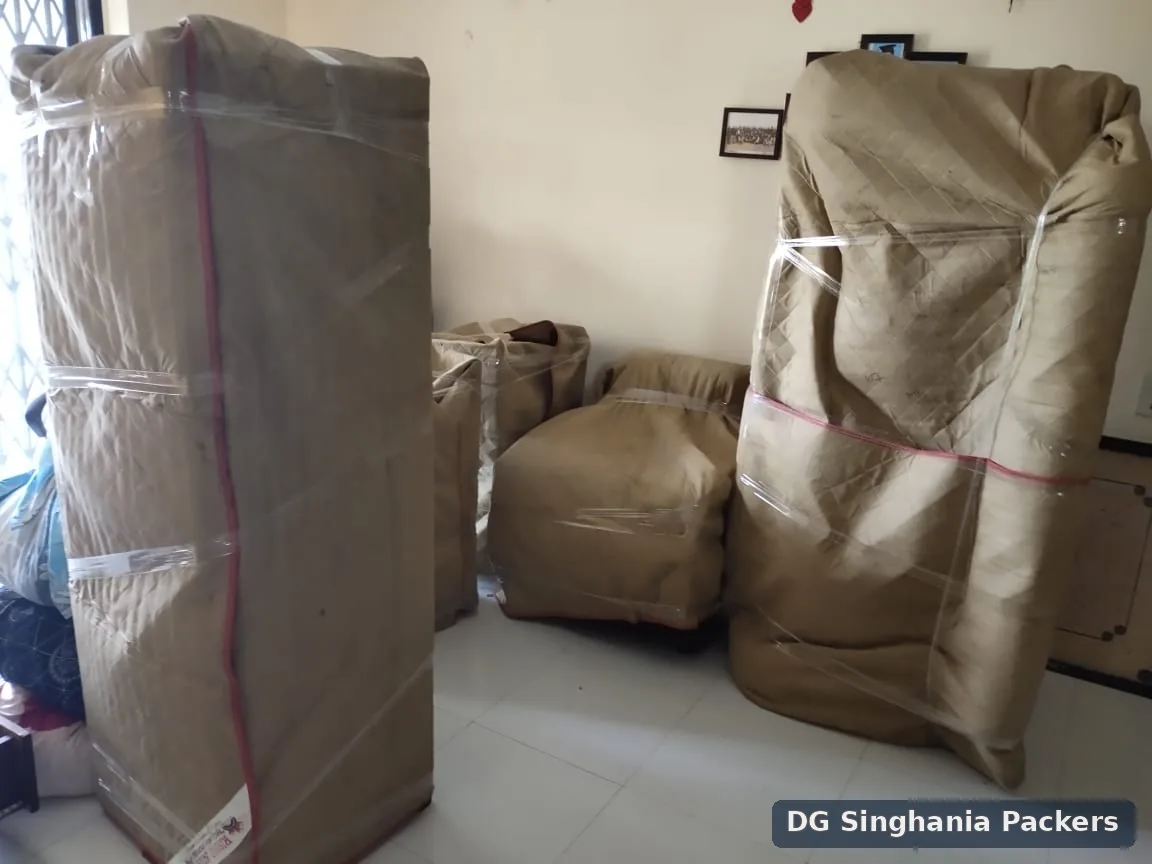
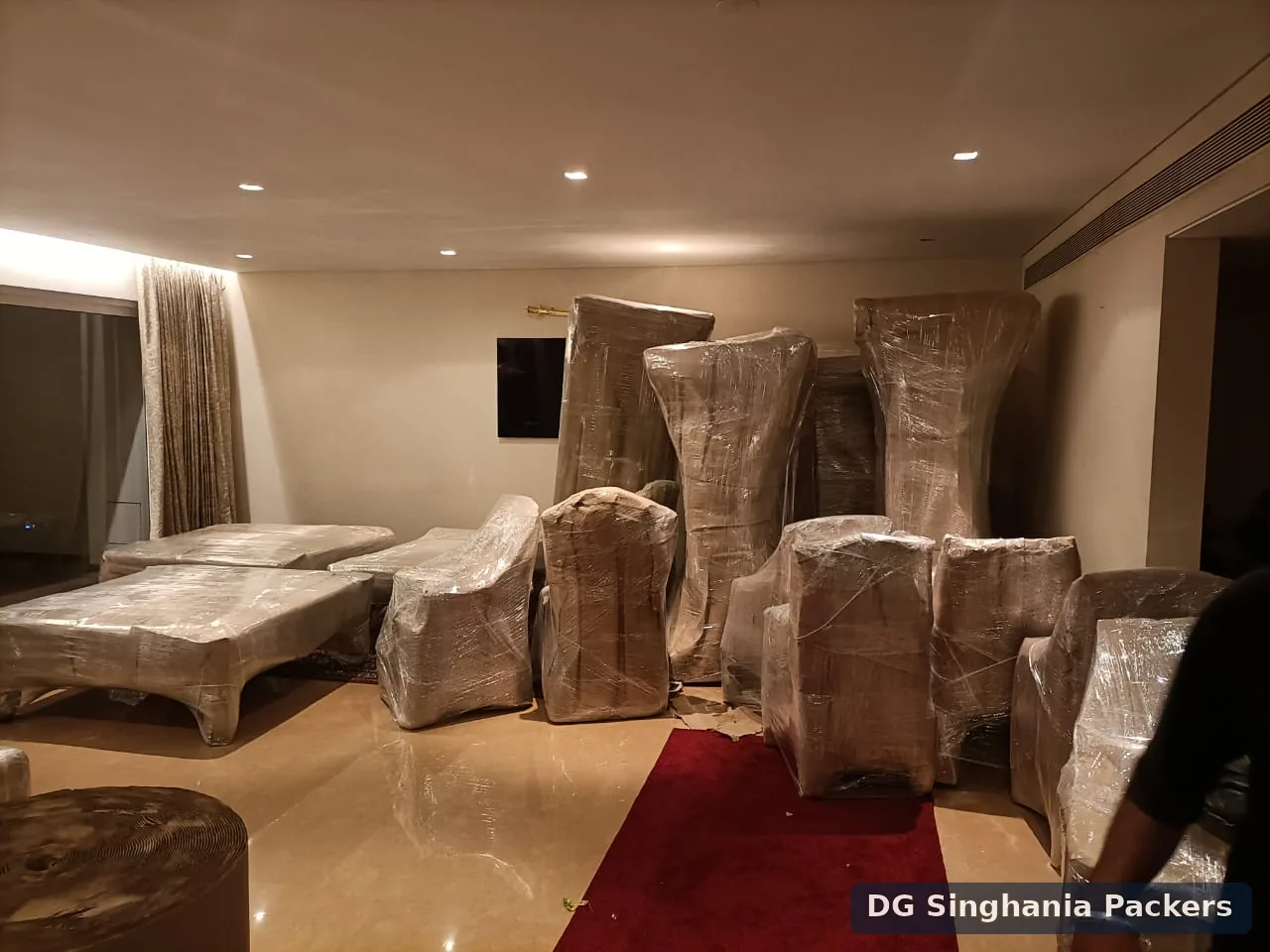
Packing works best when each material has a defined purpose. A carton provides containment, while cushioning, covers, edge protection and labels solve different problems.
Used to contain suitable loose goods, create stackable units and support room-wise labels. Carton strength and size should match the contents and handling.
Used around suitable furniture, upholstery and surfaces to reduce direct contact, dust and ordinary handling marks.
Used to reduce movement, vibration and contact between suitable fragile or vulnerable items inside a carton or protective assembly.
May be used as cushioning or surface protection where appropriate, often with an intermediate layer for sensitive finishes.
Used between suitable surfaces, components or fragile goods where direct contact or movement needs to be reduced.
May help hold suitable covers or grouped components in place. It should not replace structural support or correct packing.
Used at exposed edges, corners, frames or glass-bearing structures where concentrated impact is a concern.
Used to identify room, item, orientation, open-first priority, fragile handling and destination placement without exposing sensitive contents.
An oversized carton can become unstable, while a weak or overfilled carton can fail during lifting and stacking.
The table is a planning reference. The written packing quotation should identify the confirmed items and any special or custom work.
| Item group | Primary concern | Possible material approach | Important boundary |
|---|---|---|---|
| Wood and laminate furniture | Edges, polish, laminate, joints and detachable parts | Suitable covers, intermediate layer, edge protection and labels | Direct-contact material should suit the finish |
| Upholstered furniture | Fabric, leather, stains, loose legs and mechanism | Suitable furniture covers and component protection | Cleaning and repair are not included |
| Glass and mirrors | Cracks, chips, frames, loose panels and pressure points | Item-specific cushioning, edge protection, carton or custom support | Existing weakness must be recorded |
| Kitchenware | Glass, crockery, sharp items, liquids and weight distribution | Suitable wrapping, separators, cartons and room labels | Food, leaking liquids and restricted goods remain separate |
| Electronics | Screens, accessories, data, static, impact and moisture | Original packaging where suitable, cushioning, cartons and accessory labels | Data backup and settings remain customer responsibility |
| Appliances | Doors, shelves, hoses, cords, leaks and surface condition | Drying, accessory packing, covers and suitable movement protection | Technician work, testing and repair remain separate |
| Office assets | Asset identity, destination zone, cables and sensitive equipment | Labels, suitable cartons, covers and component grouping | IT shutdown and reconnection are not automatic |
Furniture wrapping should not hide every grip point, moving restriction or weak joint. The crew still needs to lift and position the item safely.
Fragile goods may fail because of existing weakness, direct contact, internal movement, pressure or unsuitable stacking—not only because of insufficient visible wrapping.
Photograph cracks, chips, loose frames, repaired edges, weak joints and visible marks before packing.
Use suitable spacing or separators where glass, crockery or décor could strike another item.
A carton should not allow heavy or fragile contents to shift freely during lifting and vehicle movement.
Mark suitable orientation and handling notes, but do not treat a label as a substitute for correct packing and loading.
Heavy metal goods, sharp objects and fragile glass may require separation instead of sharing one carton.
Frames, sculptures, glass-top furniture and irregular décor may need item-specific support or custom assessment.
Cash, jewellery, identity papers and irreplaceable personal records should remain with the customer.
Keep item photographs, packing responsibility, quotation and handover records for any later review.
Electronics should be prepared by an authorised user or IT team before the moving crew handles them.
Packing material cannot solve trapped water, leaking hoses, loose shelves or an appliance that still requires technical disconnection.
Wooden crating is a separate packing category. It may be considered for selected items where ordinary cartons, covers or cushioning are not suitable for the item and route.
Goods may be exposed while moving from a room to a lift, through a lobby, across an open driveway or while waiting near a loading point.
Identify balconies, uncovered passages, podium areas and distances between the entrance and vehicle.
Confirm the vehicle arrangement in writing. A covered vehicle does not eliminate exposure before loading or after unloading.
Avoid placing cartons and furniture directly on wet floors or in areas exposed to runoff.
Do not seal damp upholstery, wet appliances or moisture-affected cartons under additional wrapping.
Heavy rain, flooding, restricted access or unsafe loading conditions may require a timing or route review.
No packing material guarantees protection against every weather event, prolonged water exposure or unsuitable storage.
Confirm a dry unloading route and indoor placement area before goods arrive.
Photograph existing moisture marks, carton weakness or wet access conditions before handling begins.
When the customer packs the carton or item, the moving team cannot inspect internal placement after it is sealed.
The required quantity changes with item dimensions, carton size, fragile goods, room categories, access and whether materials will be reused, retained or removed after unpacking.
Separate books, kitchenware, clothing, files, décor, electronics and loose household goods before estimating cartons or cushioning.
Using a larger carton does not always reduce material use. It can create unstable loads, excessive weight and unused internal space.
Glass, décor, screens and vulnerable accessories may require smaller groups, internal separators or item-specific support.
Confirm whether unused cartons or custom material remain with the customer, return to the provider or are billed according to the written scope.
Unpacking order affects whether cartons and protective material can be collected gradually or must remain until every item is checked.
Clean ordinary packing material should be kept separate from food waste, liquids, broken goods and building refuse.
Some societies and offices restrict where cartons, film or protective material can be stored before collection.
Material reduction should not compromise the written protection plan, and disposal or recycling outcomes depend on local facilities and material condition.
A clear label system reduces repeated handling and makes it easier to identify open-first cartons without revealing sensitive contents.
The sequence may vary, but the item, condition, route, material and responsibility should remain traceable.
List rooms, items and photographs.
Record fragile, repaired and weak goods.
Confirm local, intercity and access stages.
Match cartons, covers and cushioning.
Confirm included and separate materials.
Dry appliances and remove valuables.
Pack and label by item and destination.
Record customer-packed and open items.
The guide explains material selection. The relevant service page controls the commercial scope.
Pricing can change with item type, fragile goods, furniture protection, custom work, labour, access and the route.
The images show different packing contexts. They do not prescribe one method for every item or guarantee identical protection.
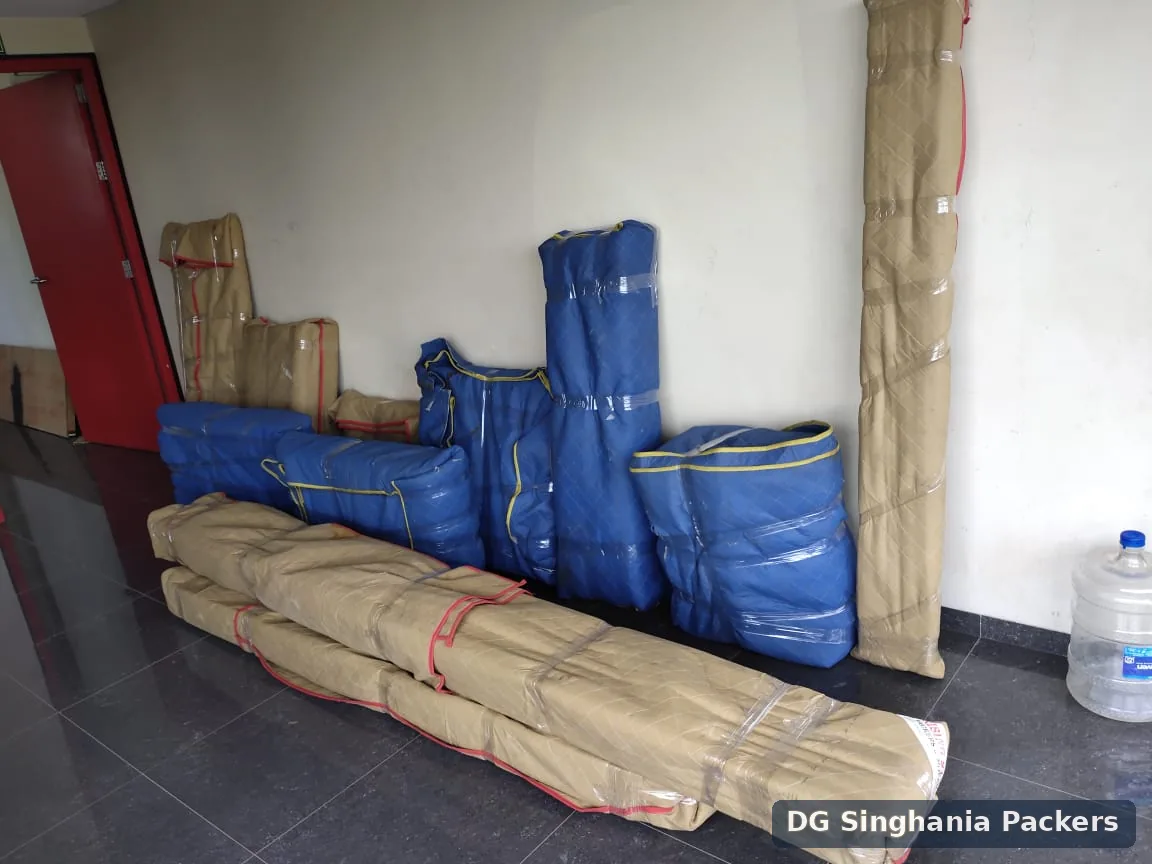
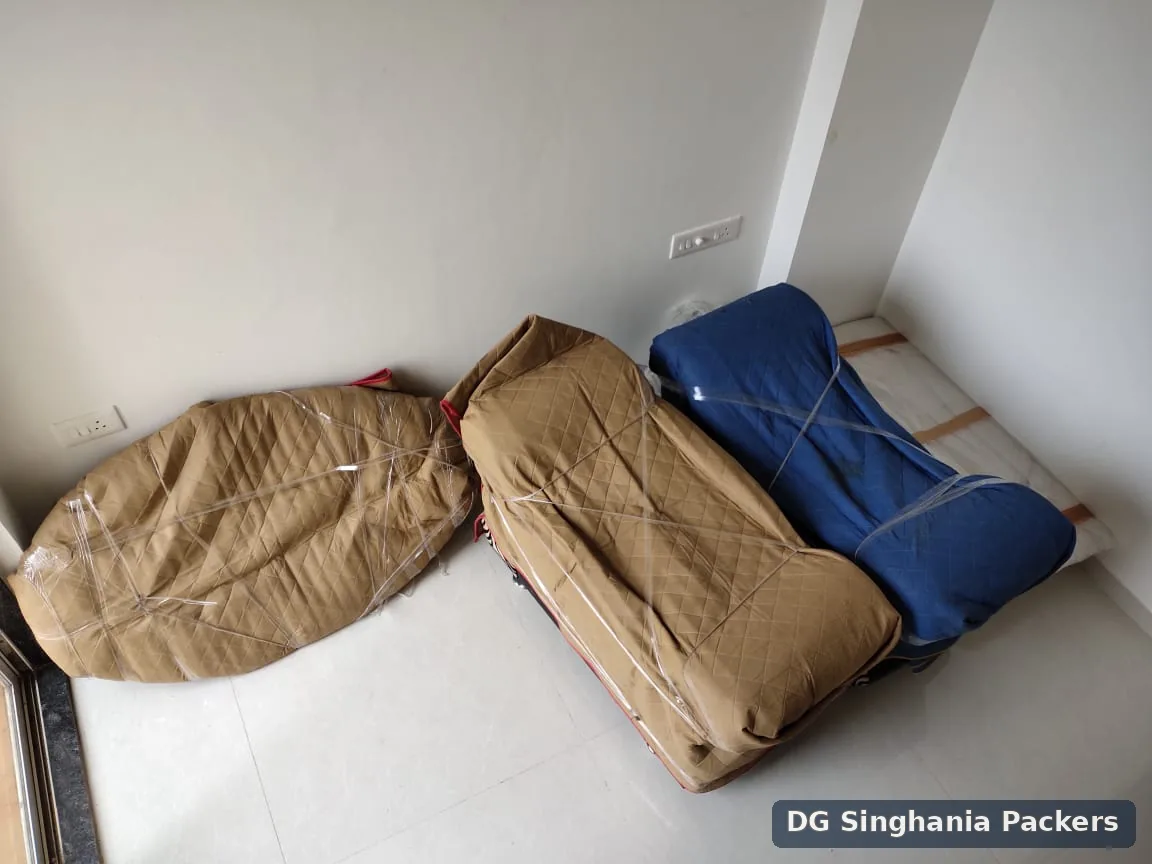
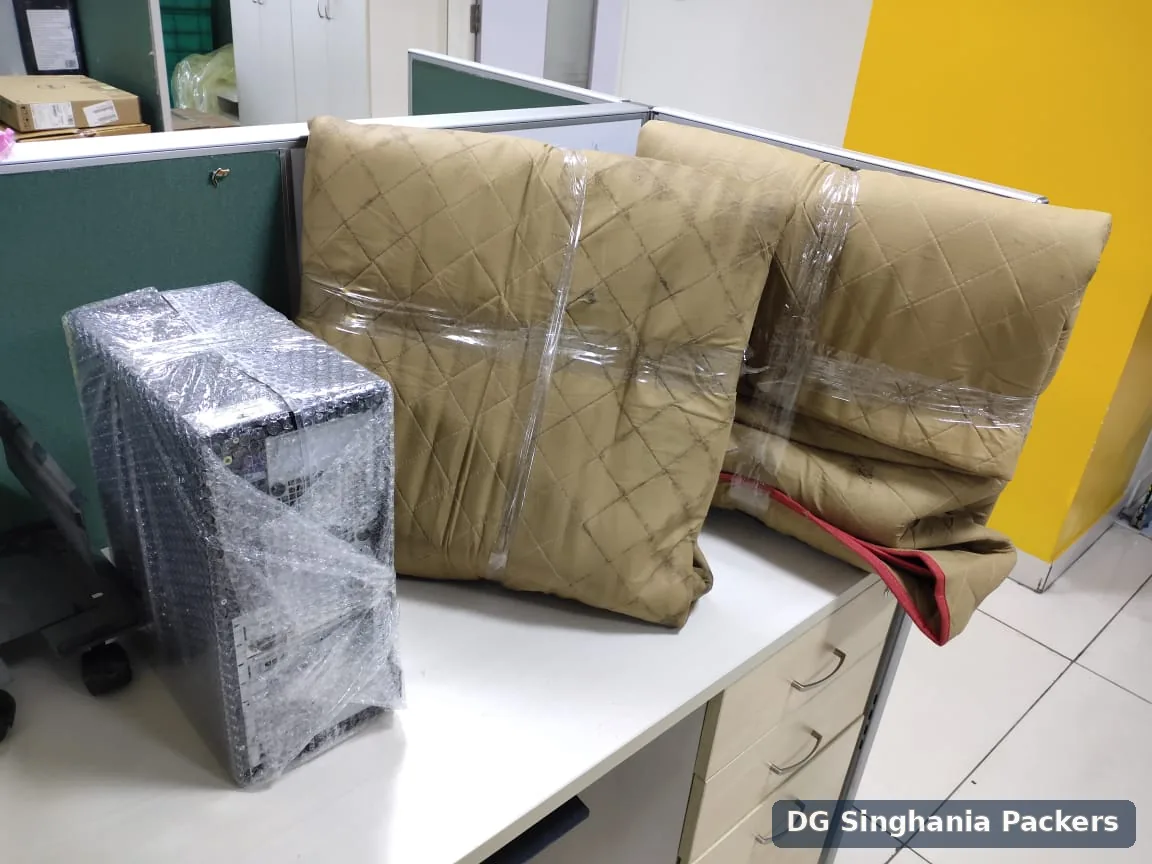
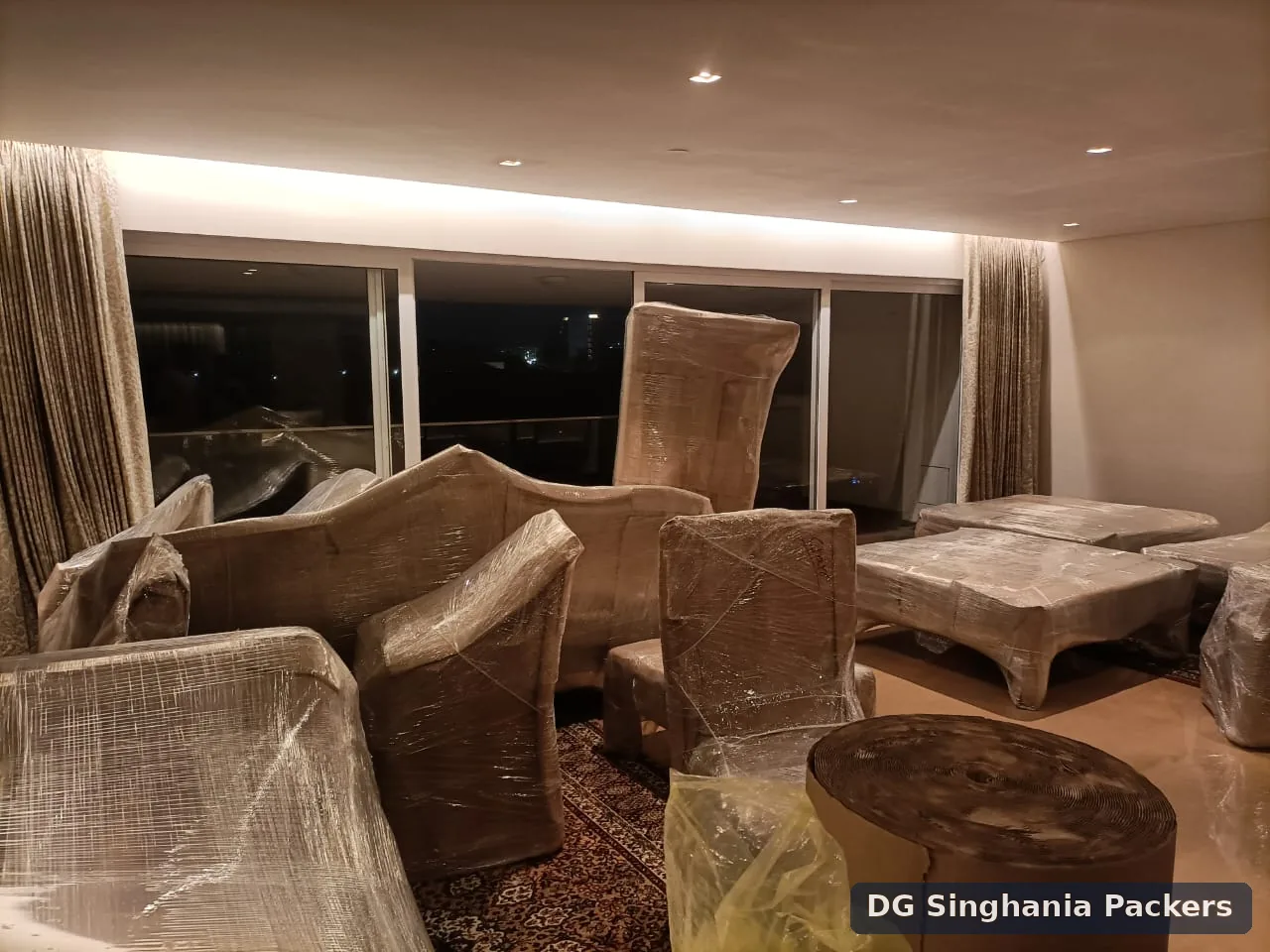
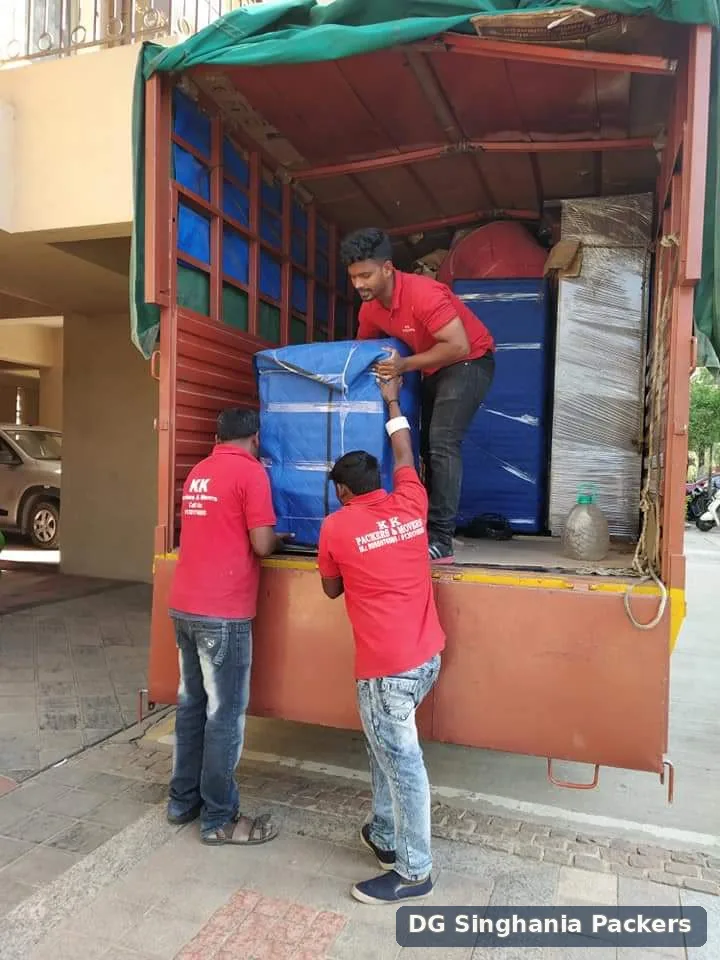
The guide helps frame the request; the written quotation controls the actual materials and work.
Include photographs, rooms or item list, fragile goods, route, floor, lift, parking and unpacking requirements.
The visible answers match the FAQPage structured data embedded on this guide.
There is no single material that suits every item. The material should match the item’s surface, weight, fragility, shape, route, stacking and handling conditions.
Cartons are suitable for many loose household goods, but furniture, appliances, glass, mirrors, electronics and unusual items may need covers, cushioning, edge protection or separate support.
The correct surface-contact method depends on the finish and material. A suitable intermediate cover may be used where direct contact could mark or trap moisture.
Reused cartons can be considered only when they remain dry, clean, strong and suitable for the contents. Weak, torn, wet or contaminated cartons should not be relied on.
Wooden crating may be considered for selected fragile, high-value, unusually shaped or vulnerable items after a separate assessment. It is not automatically required or included.
Electronics should be shut down, disconnected, accessories labelled and packed in suitable original packaging or item-specific cushioning. Data and settings remain the customer’s responsibility.
Appliances should be cleaned, dried, drained and disconnected. Loose shelves, hoses, cords and accessories should be secured or packed separately according to the item.
No. Excessive or unsuitable wrapping can add weight, trap moisture, hide weak points or make safe gripping harder. The method should suit the item and route.
Open carrying routes, wet staging areas and loading exposure may justify additional moisture planning, covered transfer or schedule review. No material can guarantee protection from every weather condition.
Customer-packed cartons are handled as received because internal packing quality cannot be verified. Claim review may consider who selected the materials and packed the contents.
No. Transit insurance support is available on request. Coverage depends on the insurer’s terms and declared value.
Claim review is available for damage caused during our handling. Review may consider item condition, material selection, packing responsibility, photographs, access and handover evidence.
Share the actual items, condition, route, access and unpacking requirement.