Project owner
Maintains the master plan, resolves conflicts, confirms scope changes and acts as the main authorised contact.
Use this checklist to organise an office move before packing begins. It covers project ownership, inventory, employees, IT, files, building access, labels, move-day control, destination readiness, billing records and post-move handover without replacing the written quotation or the main Office Relocation service page.
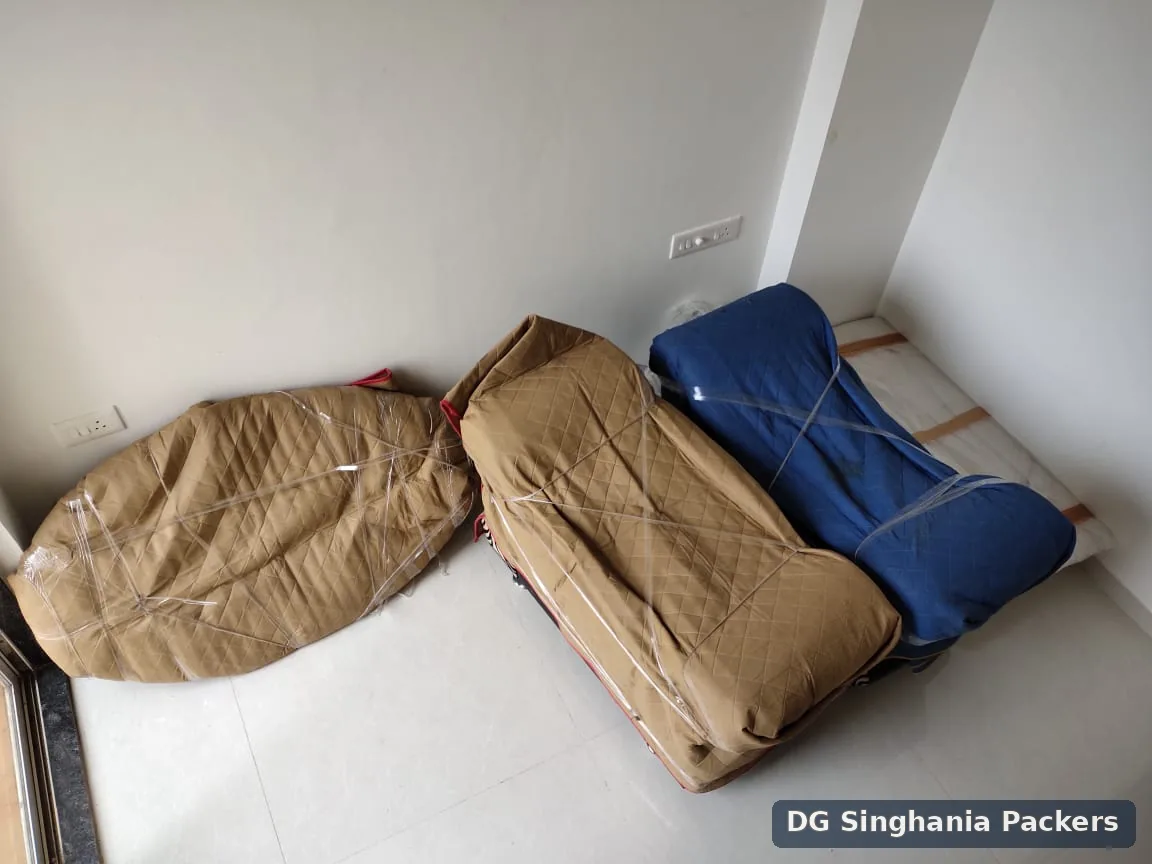
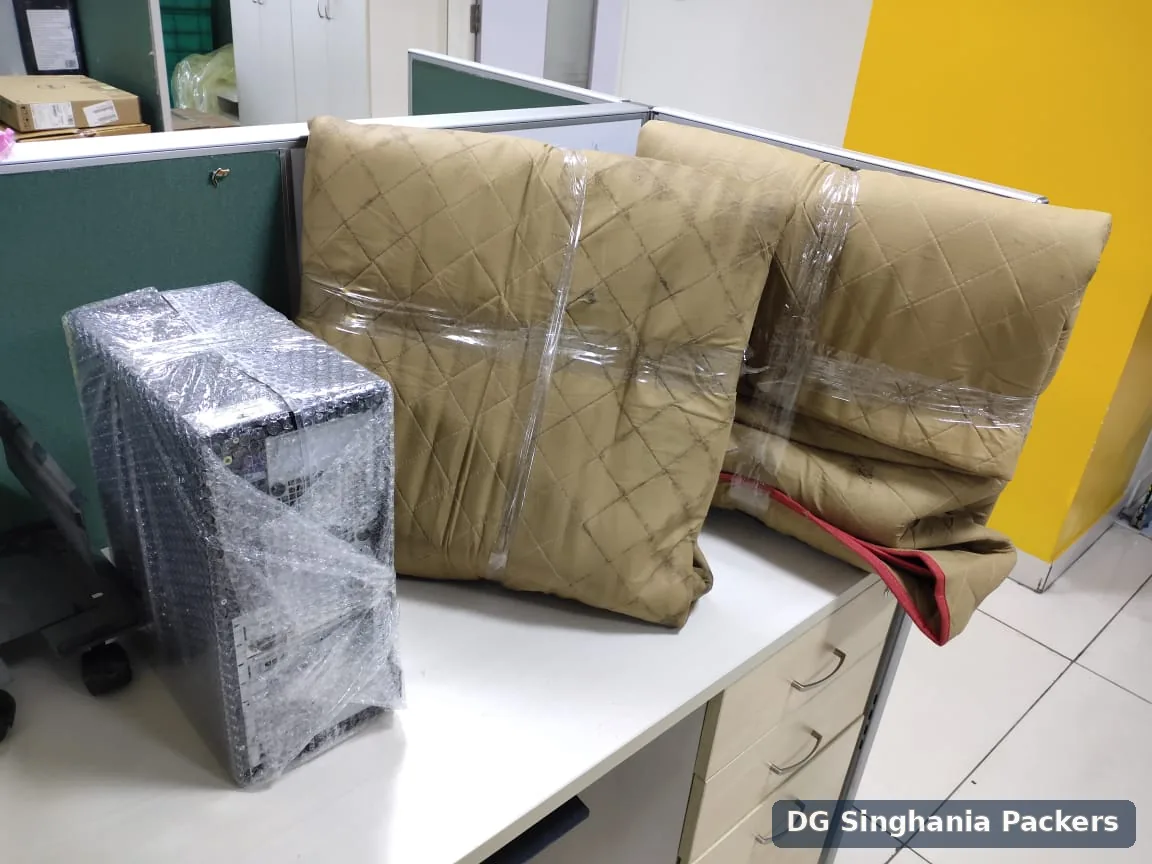
A useful checklist is a working control document. Each item should have an owner, target date, status, evidence or decision note and an escalation route.
Maintains the master plan, resolves conflicts, confirms scope changes and acts as the main authorised contact.
Confirm employees, workstations, files, assets, destination zones and open-first requirements.
Confirm entry, lift, loading bay, parking, permits, protection and move-window requirements.
Deliver only the written scope assigned to them and report changes or constraints to the project owner.
The exact lead time depends on office size, building rules, IT work, vendors and the need for phased or restricted-hour movement.
Unclear responsibility is a common source of delay. Use the written quotation and vendor instructions to replace assumptions.
| Task | Business / project owner | Moving team | Specialist or third party |
|---|---|---|---|
| Inventory and keep/dispose decisions | Own and confirm | Use the supplied list | Disposal provider if separately appointed |
| Packing and labels | Provide destination logic and exceptions | Complete written packing scope | Custom crate supplier when separately required |
| IT shutdown and data backup | Own and authorise | Handle only accepted packed assets | Company IT or qualified provider |
| Building permissions | Arrange and confirm | Follow the confirmed rules | Landlord, society or facility management |
| Vehicle and physical transport | Confirm access and timing | Provide written vehicle/transport scope | Carrier where separately arranged |
| Furniture dismantling | Identify items and restrictions | Only suitable work written in scope | Carpenter or manufacturer when necessary |
| Invoice and PO process | Provide accurate billing instructions | Issue available records for the transaction | Procurement or accounts team |
A generic “20 workstations” description may miss files, storage, screens, loose chairs, meeting rooms, pantry goods and special equipment.
The moving team can physically handle selected inventoried assets that are prepared and accepted in writing. Business continuity and technical readiness remain separate.
Labels should help the team place goods without exposing confidential content or forcing move-day decisions.
For the underlying physical packing scope, use the Packing and Unpacking Services in Pune page rather than turning the checklist into a packing-service substitute.
Commercial buildings may require advance vehicle details, loading-bay slots, security lists, lift protection and restricted work hours.
Destination readiness is more than having keys. The new premises should have usable access, confirmed zones, clear placement instructions and the specialist teams needed for the first operational day.
A simple risk register helps the project owner distinguish a known constraint from an unexpected event. Each item should have an owner, mitigation, decision deadline and fallback plan.
Examples include an unbooked service lift, restricted loading bay, narrow corridor, basement height limit, long carry or missing vehicle permission.
Examples include unlisted furniture, weak cartons, repaired glass, oversized items, leased equipment or goods that need specialist dismantling.
Examples include incomplete backups, unavailable IT staff, delayed network readiness, missing access cards or unresolved first-day priorities.
Examples include a missed move window, delayed vehicle, unavailable carpenter, changing building rules or an absent destination receiver.
Mixed messages can create unlabelled goods, forgotten personal items and conflicting placement requests. The project owner should issue one written communication plan.
The project owner should know who can approve a change and where unresolved goods or issues will be recorded.
Office quotations may differ because they include different inventories, packing levels, access assumptions and specialist boundaries.
The guide supports office moves across verified Pune and PCMC addresses. The building’s own access and facility rules remain more important than a generic locality description.
Confirm industrial, commercial or mixed-use access, vehicle position and building timings.
Plan around office-park entry, loading bays, security checks and employee traffic windows.
Confirm commercial-building access, basement limits and destination-zone readiness.
Allow for narrower access, parking distance, restricted hours and mixed-use buildings where applicable.
The guide should send planning authority and enquiries back to the relevant service page.
The images support office-relocation planning categories. They do not show every possible office asset, building condition or specialist requirement.
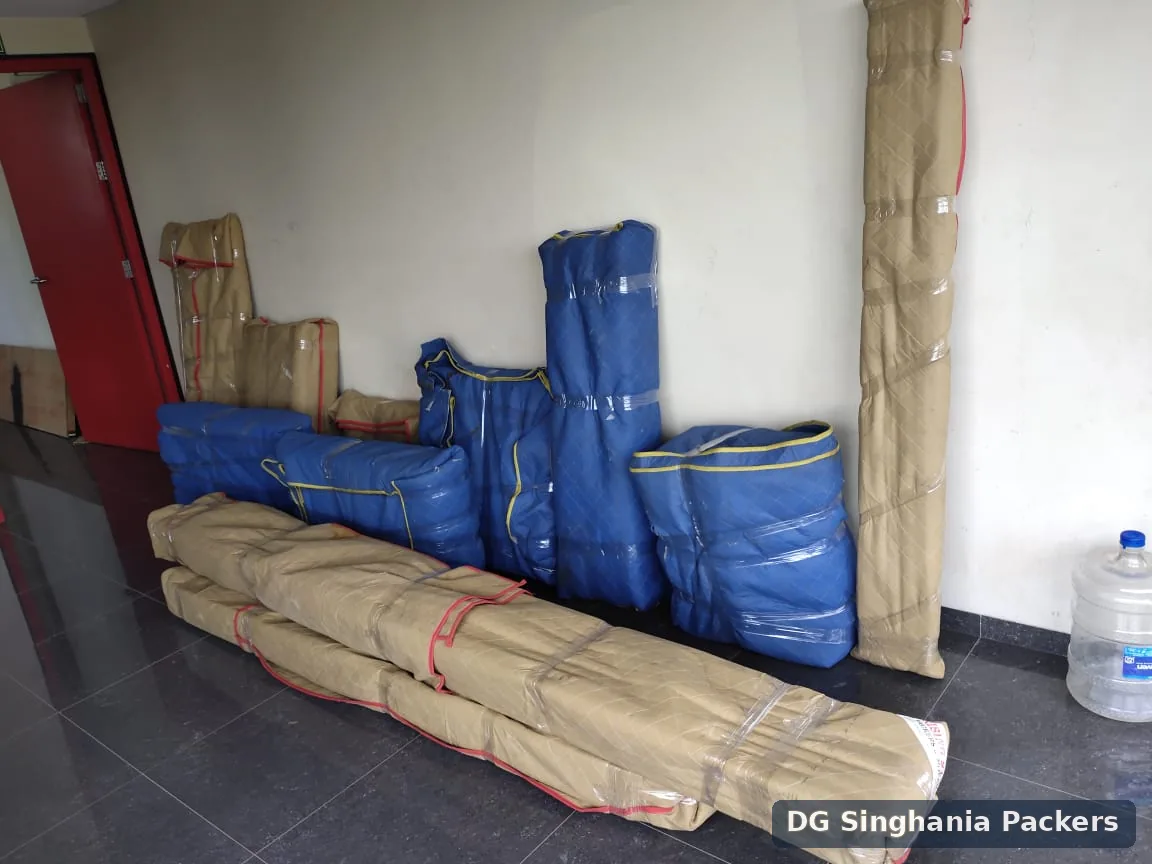



The checklist helps organise the request; the written quotation controls the actual service and final documented responsibilities.
Include workstation count, files, furniture, selected IT assets, floors, lifts, loading bays, move window and destination zones.
The visible answers match the FAQPage structured data embedded on this guide.
Begin as early as practical after the destination, business decision and authorised project owner are known. Larger offices, restricted buildings, IT work and phased moves require more lead time.
One authorised project owner should maintain the master checklist, decisions, inventory, contact list and change record. Department representatives can own assigned tasks.
Record furniture, workstations, files, selected corporate IT assets, appliances, storage units, fragile items, dismantling needs, destination zones and items that will not move.
Not automatically. Data backup, shutdown, server or network work, reconnection, testing and access credentials should remain with the company or qualified IT provider unless expressly written.
Use a consistent code for department, employee or workstation, destination zone, carton number, priority and handling notes. Avoid placing confidential content details on the outside.
The business or authorised facility contact should confirm gate entry, loading bay, service lift, move window, security deposits, identification and common-area requirements unless another responsibility is expressly written.
The company should define a uniform policy. Employees may pack personal or low-risk desk items, while sensitive records, IT assets and special equipment should follow controlled procedures.
Include essential files, network components, selected workstations, reception items, access cards, basic supplies, meeting-room needs and any item required for the first operational day.
The company should classify, seal, authorise and retain custody records for confidential documents. The mover should not decide retention, destruction or access permissions.
Pricing depends on inventory, workstations, packing, access, move window, labour, vehicle, IT or specialist boundaries, waiting and destination placement. Use a written scope rather than a workstation count alone.
No downtime guarantee is implied. Operational continuity depends on business decisions, IT readiness, access, sequencing, third-party vendors and the written move scope.
Claim review is available for damage caused during our handling. Review may consider item condition, packing responsibility, inventory records, photographs, access and handover evidence.
Share the final inventory, building conditions, move window, packing, IT boundaries and destination zones.